
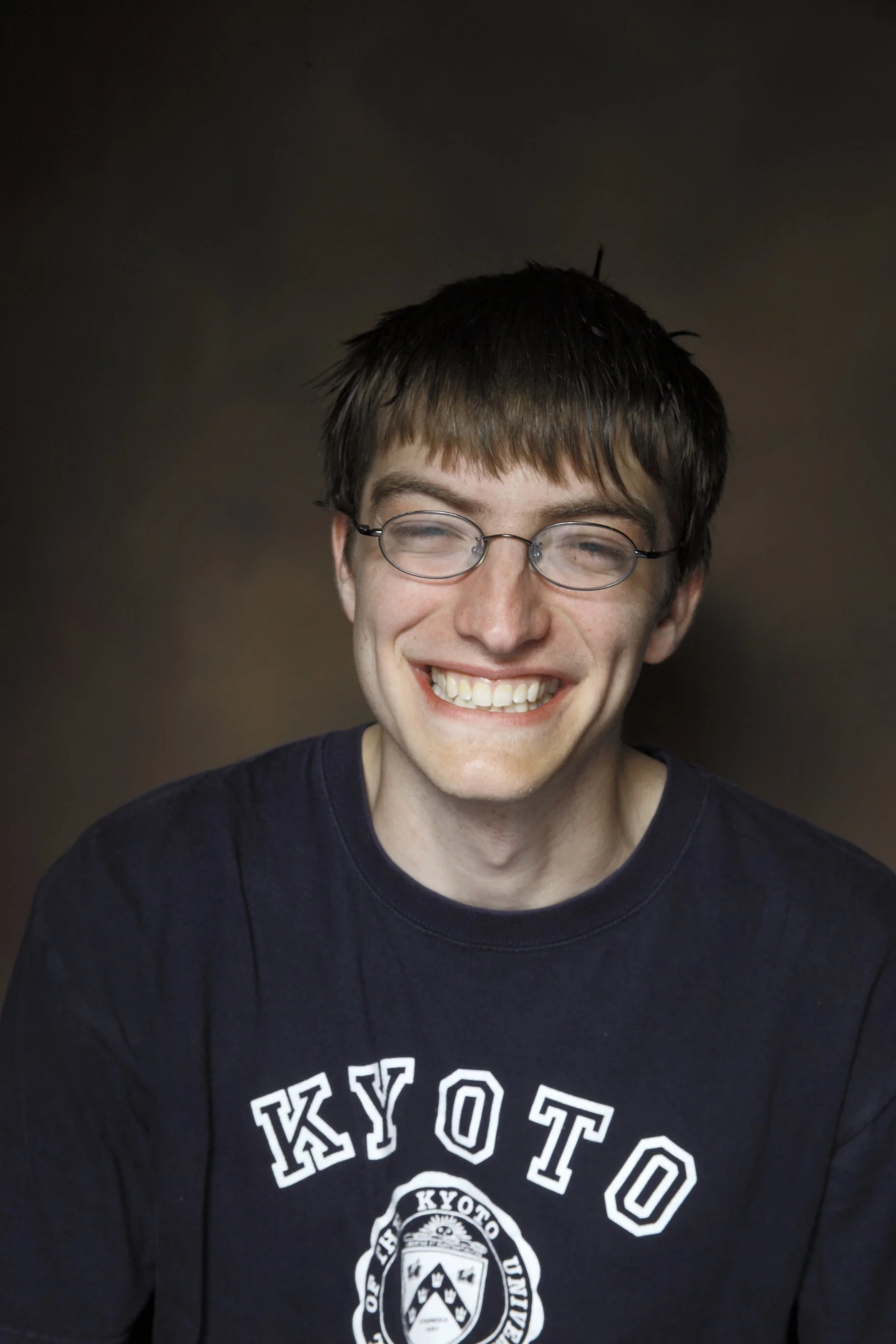
John Vaughen in Tom Clandinin lab successfully defended his thesis titled “Sphingolipid Control of Neural Circuits by Glial Catabolism”
John Vaughen in Tom Clandinin lab successfully defended his thesis titled “Sphingolipid Control of Neural Circuits by Glial Catabolism”
John Vaughen in Tom Clandinin lab successfully defended his thesis titled “Sphingolipid Control of Neural Circuits by Glial Catabolism” on November 4, 2022.
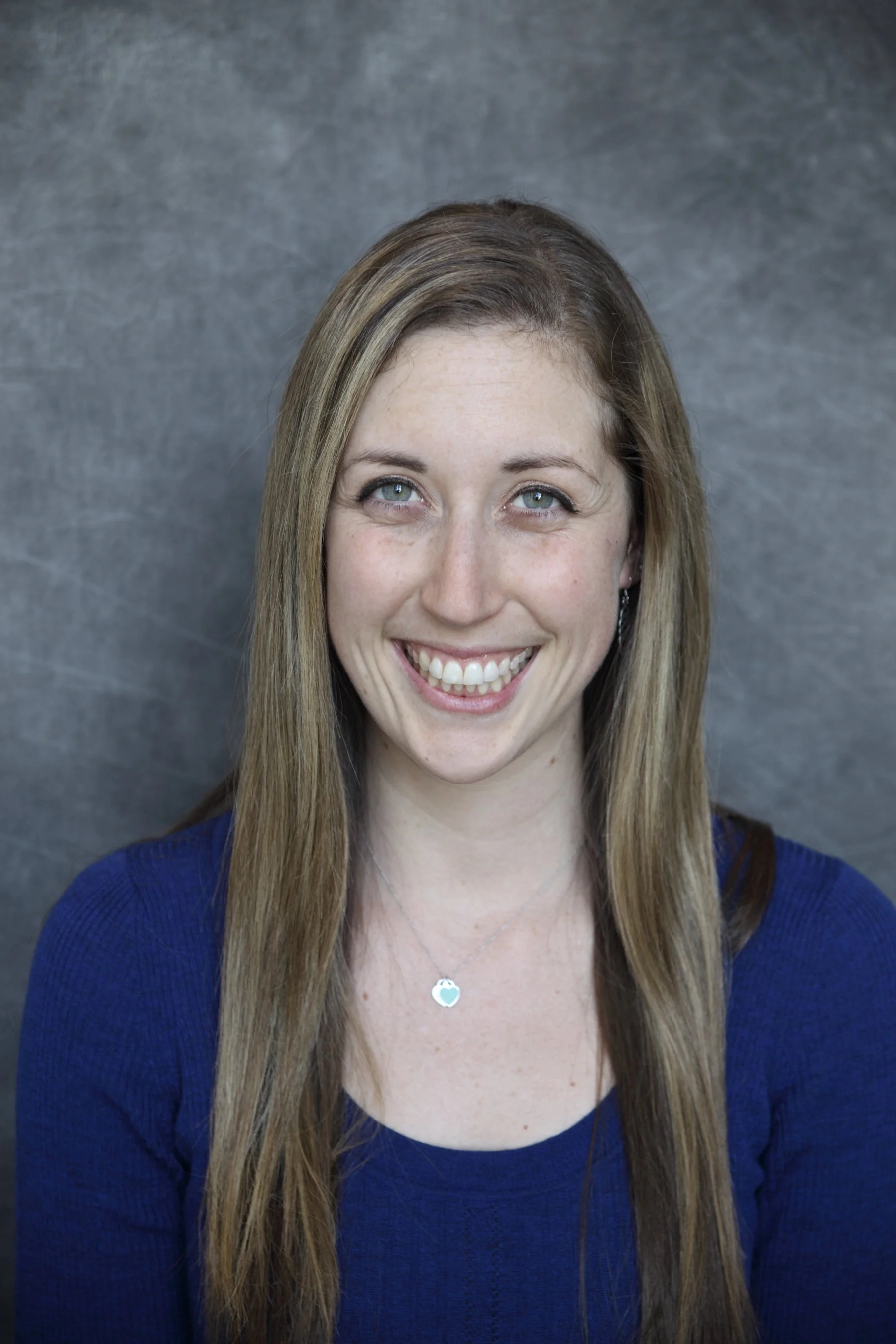
Mollie Friedlander Qian defended her thesis titled "Discovering new functions of the diabetes gene HNF1A in human pancreatic islets"
Mollie Friedlander Qian in Seung Kim’s lab successfully defended her thesis titled “Discovering new functions of the diabetes gene HNF1A in human pancreatic islets” on February 8, 2022.
Mollie Friedlander Qian in Seung Kim’s lab successfully defended her thesis titled “Discovering new functions of the diabetes gene HNF1A in human pancreatic islets” on August 30, 2022.
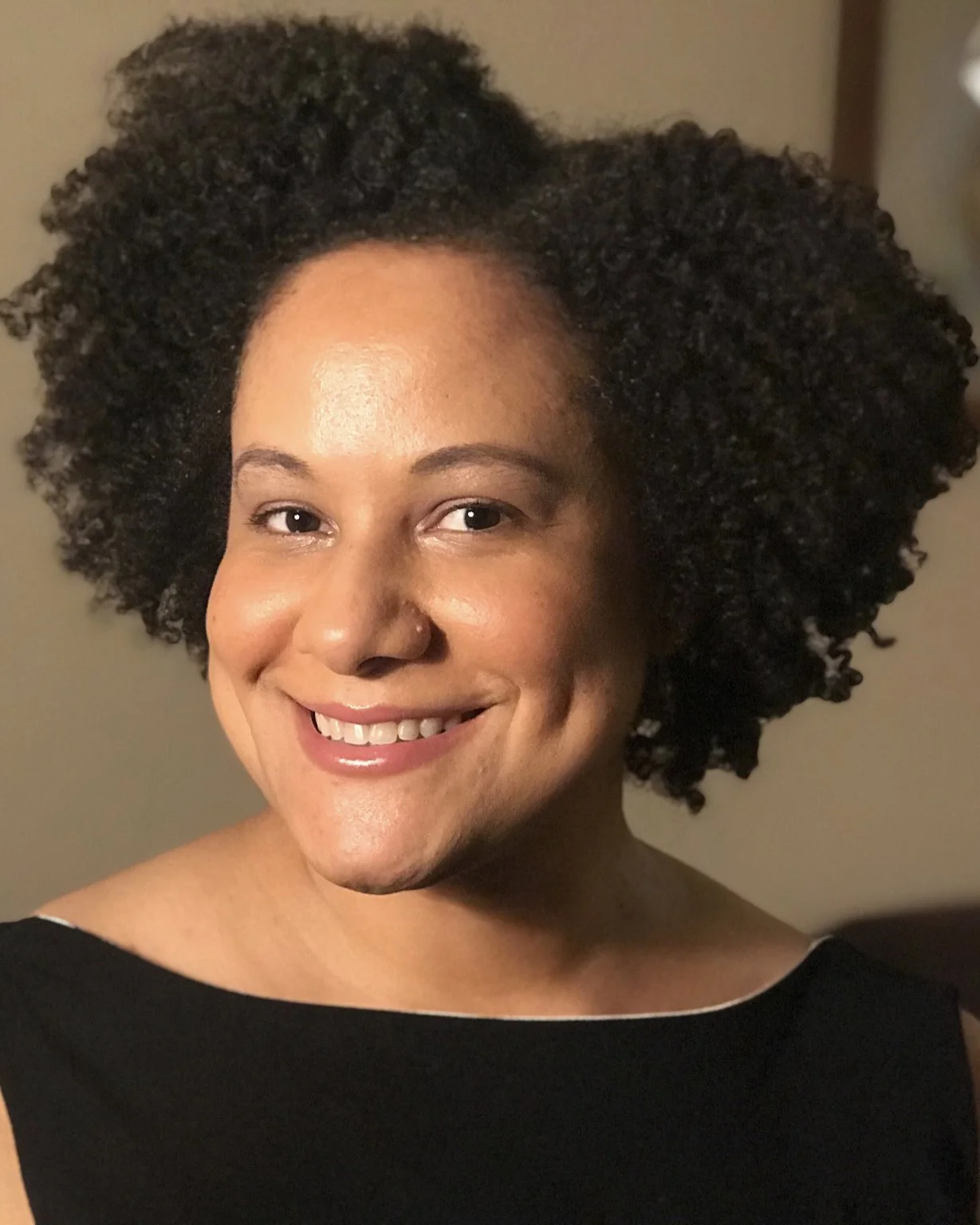
Lauren Goins to join the Developmental Biology Faculty!
We are excited to welcome Dr. Lauren Goins to the department as an Assistant Professor of Developmental Biology, starting in January 2023.
We are excited to welcome Dr. Lauren Goins to the department as an Assistant Professor of Developmental Biology, starting in January 2023.
Dr. Goins is engaged in cutting edge research aimed at understanding the molecular mechanisms controlling blood progenitor cell development, differentiation, and homeostasis. Dr. Goins has developed a powerful live imaging approach that has enabled her to visualize and track blood cell development in intact living animals with cellular, and even subcellular, resolution. Her application of this imaging approach, in combination with single cell RNA sequencing and the full force of genetic tools available in the Drosophila system, has been and will continue to be transformative for understanding how multipotent adult stem cell lineages can maintain a balance among cell fates and an ability respond to physiological challenges imposed by environmental stressors such as infection and disease.
Wendy Wenderski defended her thesis titled "Neuron-specific chromatin remodeling in social behavior and memory"
Wendy Wenderski in Gerald Crabtree’s lab successfully defended her thesis titled “Neuron-specific chromatin remodeling in social behavior and memory” on February 8, 2022.
Wendy Wenderski in Gerald Crabtree’s lab successfully defended her thesis titled “Neuron-specific chromatin remodeling in social behavior and memory” on February 8, 2022.
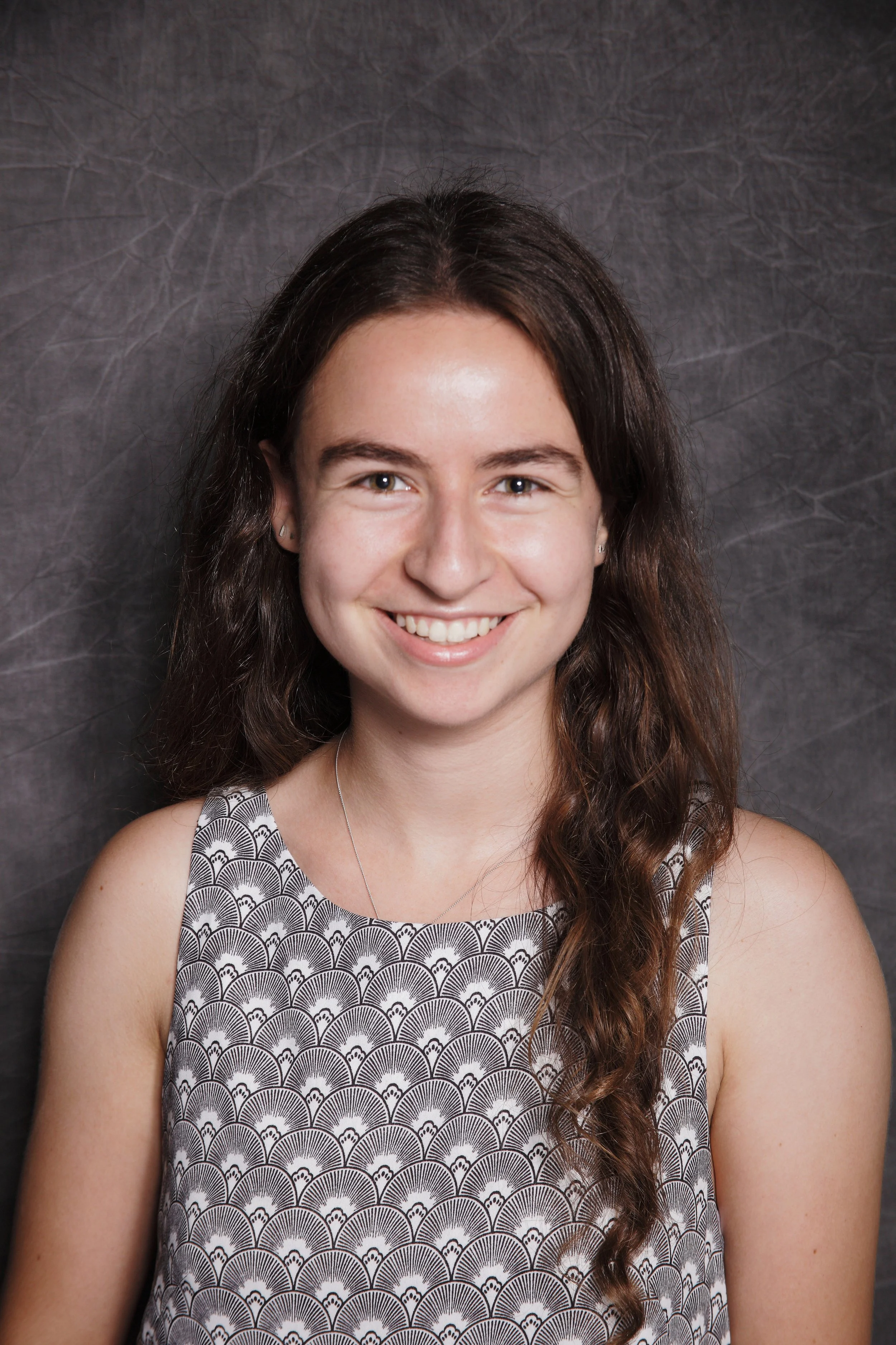
Rachel Grant defended her thesis titled "Genetic studies of human-chimpanzee divergence using stem cell fusions"
Rachel Grant in David Kingsley’s lab successfully defended her thesis titled “Genetic studies of human-chimpanzee divergence using stem cell fusions” on January 20, 2022.
Rachel Grant in David Kingsley’s lab successfully defended her thesis titled “Genetic studies of human-chimpanzee divergence using stem cell fusions” on January 20, 2022.
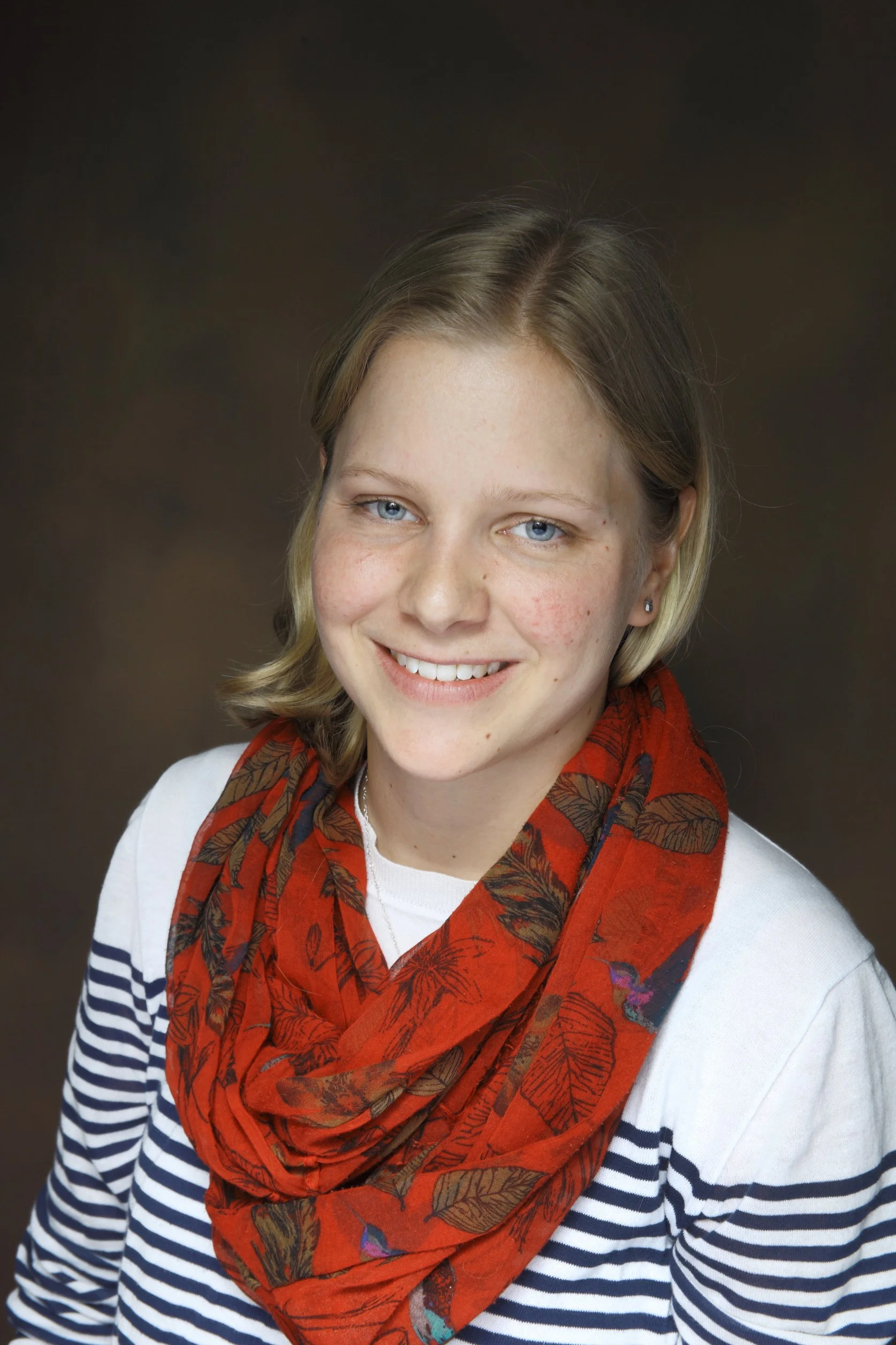
Julia Wucherpfennig defended her thesis titled "How does nature evolve more stickles on sticklebacks?"
Julia Wucherpfennig in David Kingsley’s lab successfully defended her thesis titled “How does nature evolve more stickles on sticklebacks?” on January 18, 2022.
Julia Wucherpfennig in David Kingsley’s lab successfully defended her thesis titled “How does nature evolve more stickles on sticklebacks?” on January 18, 2022.
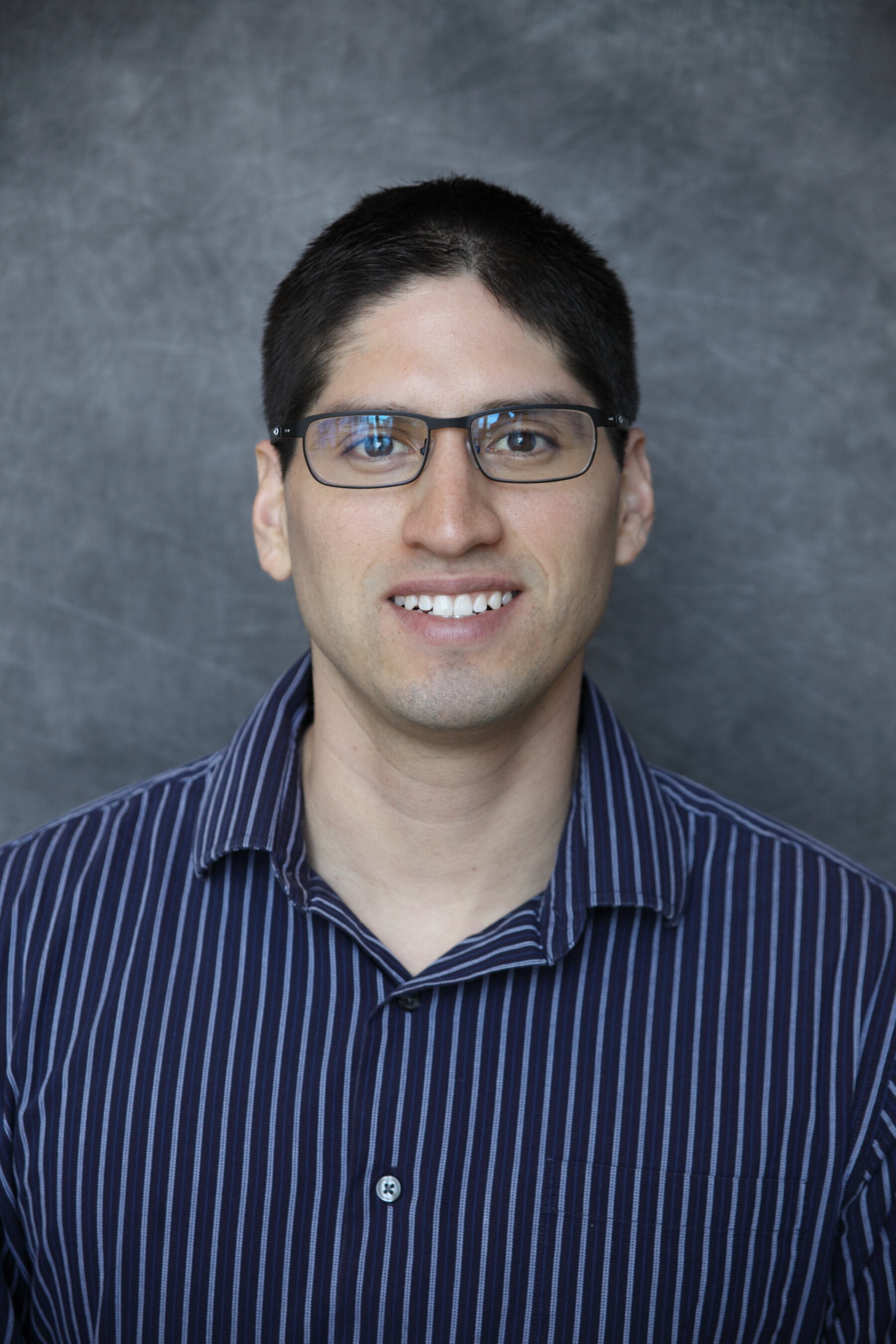
Giovanni Diaz defended his thesis titled "Mature Cochlear Hair Cell Transcriptional Diversity Revealed with Single-Cell RNA Sequencing"
Giovanni Diaz in Stefan Heller’s lab successfully defended his thesis titled “Mature Cochlear Hair Cell Transcriptional Diversity Revealed with Single-Cell RNA Sequencing” on August 20, 2021.
Stanford Dev Bio - Prospective Postdoc Preview
The Department of Developmental Biology at Stanford University is looking to build connections and solidarity with senior PhD candidates from a diversity of disciplines and backgrounds.
The Department of Developmental Biology at Stanford University is looking to build connections and solidarity with senior PhD candidates from a diversity of disciplines and backgrounds. For this purpose, we are inviting applications from senior graduate students interested in joining us (either in person or remotely) at our annual retreat to be held on the Stanford Campus on September 14-15, 2021. Travel expenses will be covered. Selected applicants will give short talks on their current research, and will have both formal and informal opportunities to interact with faculty and trainees in our department. Upon selection, applicants will also be offered guidance on the postdoc transition, including information on funding opportunities and postdoc resources at Stanford. We see this as an opportunity to learn, connect, grow and perhaps work together in the future. Please click here to apply by 11:59 PM Pacific Time on Monday, August 2, 2021 (previously Friday, July 30, 2021). Decisions will be announced by August 16, 2021. Please be prepared to submit a CV and references if selected. For more information, contact devbioppp@stanford.edu.
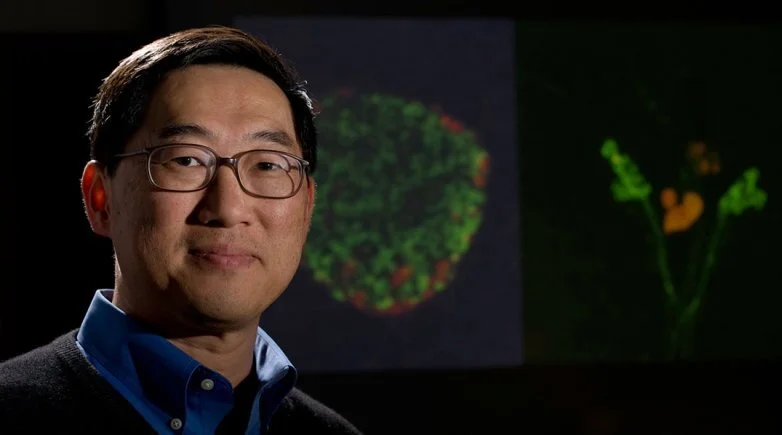
Professor Seung Kim Was Selected For the 2020-21 Stanford Biosciences “Excellence in Graduate Teaching Award”
Professor Seung Kim was awarded the 2020-21 Stanford Biosciences “Excellence in Graduate Teaching Award”at the School of Medicine Commencement on Saturday, June 12, 2021.
Professor Seung Kim was awarded the 2020-21 Stanford Biosciences “Excellence in Graduate Teaching Award”at the School of Medicine Commencement on Saturday, June 12, 2021.
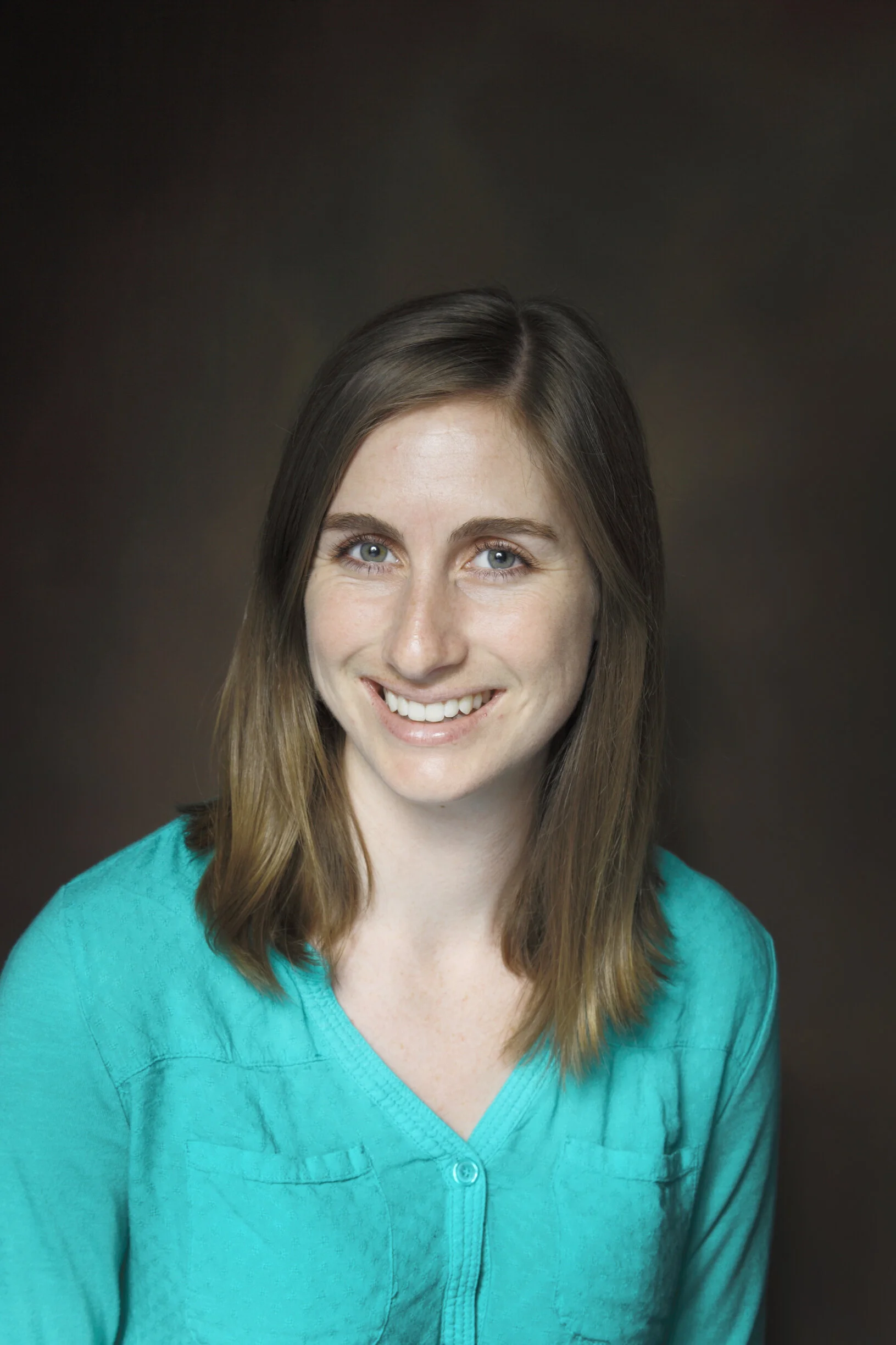
Erin Sanders defended her thesis titled "Adaptable stem cell differentiation in the adult Drosophila intestinal epithelium"
Erin Sanders in Lucy O’Brien’s lab successfully defended her thesis titled "Adaptable stem cell differentiation in the adult Drosophila intestinal epithelium” on May 24, 2021.
Erin Sanders in Lucy O’Brien’s lab successfully defended her thesis titled "Adaptable stem cell differentiation in the adult Drosophila intestinal epithelium” on May 24, 2021.
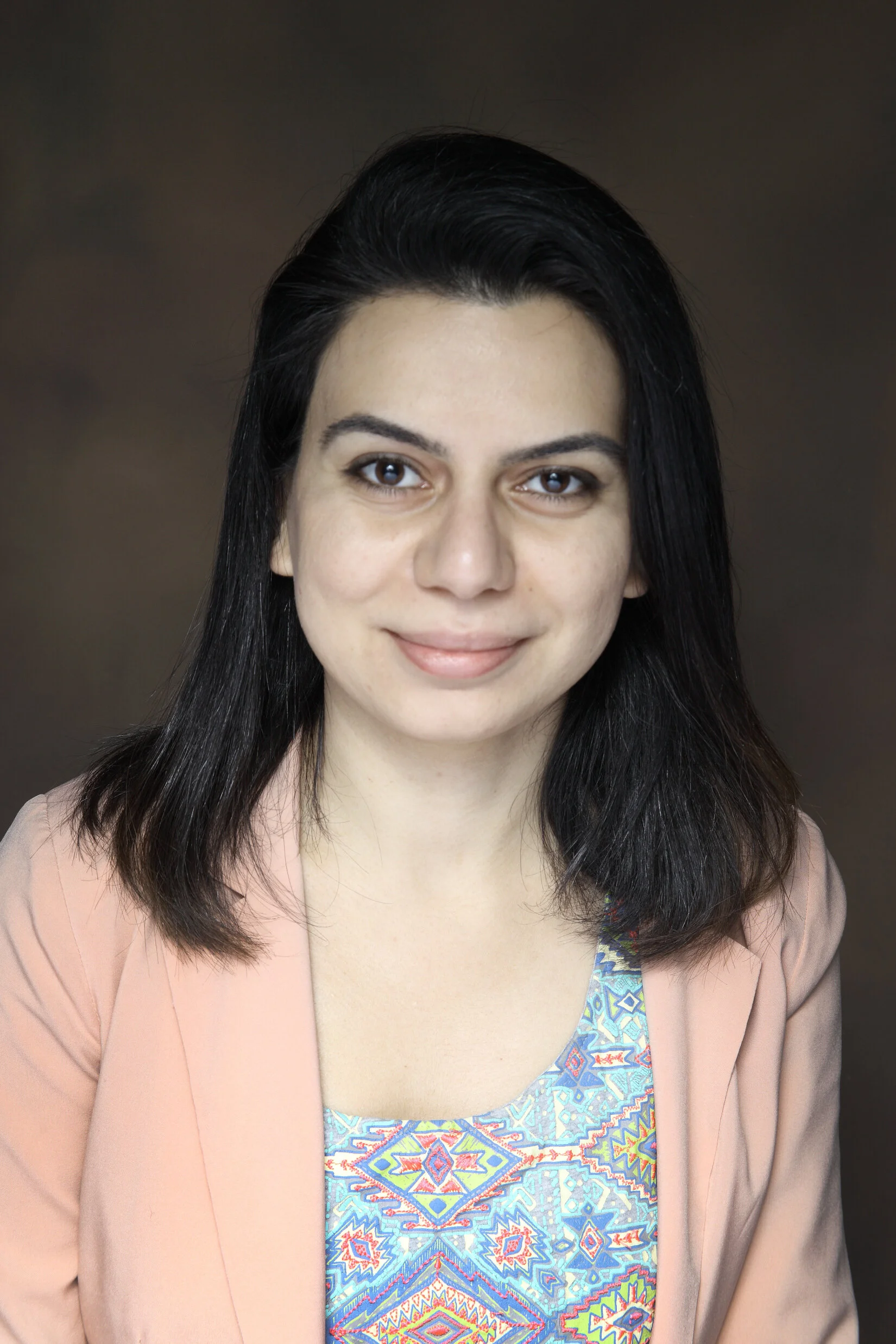
Teni Anbarchian defended her thesis titled "Role of the Transcription Factor Tbx3 in Liver Development"
Teni Anbarchian in Roel Nusse’s lab successfully defended her thesis titled "Role of the Transcription Factor Tbx3 in Liver Development” on May 25, 2021.
Teni Anbarchian in Roel Nusse’s lab successfully defended her thesis titled "Role of the Transcription Factor Tbx3 in Liver Development” on May 25, 2021.
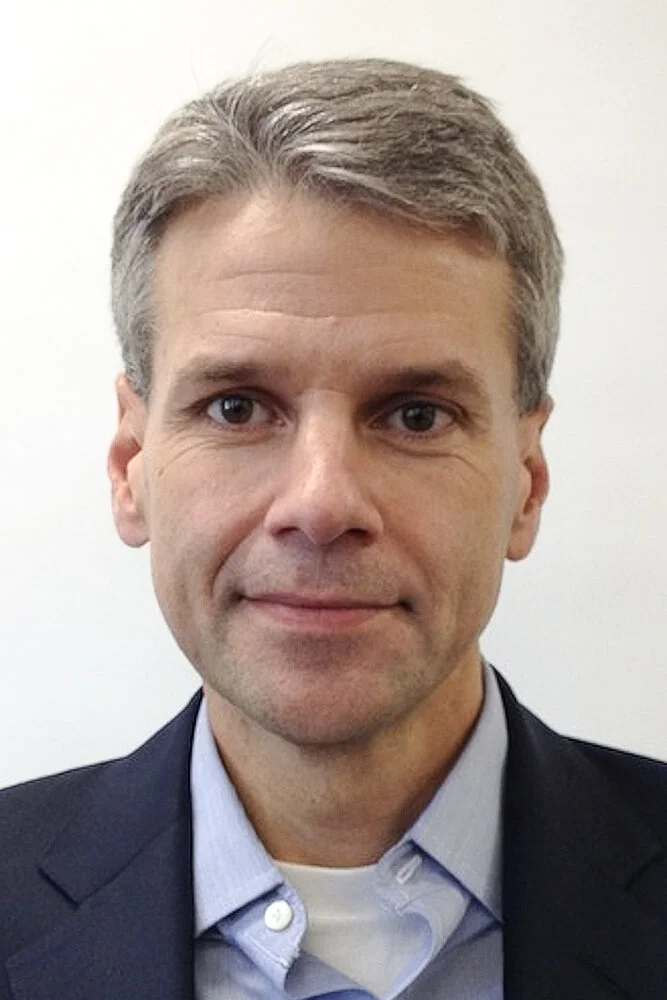
Stanford announces 2020 Cuthbertson, Dinkelspiel and Gores awards
Stanford has announced the winners of the 2020 Cuthbertson, Dinkelspiel and Gores awards honoring faculty, students and staff.
Stanford has announced the winners of the 2020 university awards honoring faculty, students and staff for exceptional service, for distinctive contributions to undergraduate education and for excellence in teaching.
Prior to the announcement, President Marc Tessier-Lavigne personally congratulated each of the nine winners during phone or video calls.
The process of selecting the winners of the Kenneth M. Cuthbertson Awards, the Lloyd W. Dinkelspiel Awards and the Walter J. Gores Awards for the 2019-20 academic year was delayed by the pandemic.
The 2020 winners and the 2021 winners, who will be announced later this quarter, will be publicly recognized during this year’s Commencement celebration, a virtual event that will be streamed on the web Sunday, June 13, at 10 a.m. Pacific Time.
2020 Kenneth M. Cuthbertson Award winners
The Kenneth M. Cuthbertson Award for Contributions to Stanford University, which recognizes extraordinary contributions to the achievement of the university’s goals, is open to all members of the Stanford community. The 2020 winners are Sue Crutcher and William S. Talbot.
Sue Crutcher, associate dean for human resources and faculty affairs in the School of Earth, Energy and Environmental Sciences, was honored “for her work in creating the Day in the Life Career Conversations series as an avenue for staff to gain access to broader career opportunities across campus.”
She was commended “for her exceptional contributions to the university community, including her work with the Office of Community Standards.”
Crutcher was also honored “for her positive, approachable nature and her willingness to work beyond the School of Earth, Energy and Environmental Sciences, often in partnership with other human resources units.”
William S. Talbot, a professor of developmental biology who served as senior associate dean for graduate education and postdoctoral affairs in the School of Medicine from September 2015 through August 2020, was honored “for connecting diverse and underrepresented postdoctoral candidates with Stanford faculty through the development of the Postdoctoral Recruitment Initiative in Sciences and Medicine.”
He was commended “for wholeheartedly supporting the graduate experience for biosciences PhD students by creating communities that center justice, equity, inclusion and belonging.”
Talbot was also honored “for taking the lead in evaluating past biosciences efforts and future commitments to racial justice, culminating in the Biosciences Commitment to Justice and Action,” and “for his extraordinarily inclusive model of leadership that leverages the skills of those around him, while empowering staff to promote ideas.”
Lloyd W. Dinkelspiel Award for Distinctive Contributions to Undergraduate Education
The Lloyd W. Dinkelspiel Award for Distinctive Contributions to Undergraduate Education recognizes distinctive and exceptional contributions to undergraduate education or the quality of student life at Stanford. The 2020 winners are Harry J. Elam, Jr., Liam McGregor and Emily Polk.
Harry J. Elam, Jr., was the senior vice provost for education, vice president for the arts, the Freeman-Thornton Vice Provost for Undergraduate Education until he left Stanford to become president of Occidental College in July 2020. He continues to be the Olive H. Palmer Professor in Humanities, Emeritus.
Elam was honored “for facilitating undergraduate research – a central and life-changing part of Stanford undergraduates’ lives – throughout the university as vice provost for undergraduate education.”
He was commended “for his tireless efforts in making service a distinctive feature of a Stanford education through Cardinal Service” and “for raising the profile of the arts at Stanford.”
Elam was also honored “for his groundbreaking teaching in drama, notably his devotion to directing actors and his sensitivity, elegance and wisdom.”
Liam McGregor, who earned a bachelor’s degree in economics in 2020, was honored “for co-founding, alongside Stanford graduate Sophia Sterling-Angus, The Marriage Pact, a social algorithm bringing together thousands of Stanford undergraduates every year.”
He was commended “for his contagious enthusiasm for many projects, and his caring and supportive entrepreneurship” and “for his tireless work on improving The Marriage Pact, often taking in student feedback and collaborating with others.”
McGregor was also honored “for co-creating a social tradition that expands Stanford’s residential education experience in an exciting way through reports and data about campus culture not easily found elsewhere.”
Emily Polk, an advanced lecturer in the Program in Writing and Rhetoric, was honored “for her unparalleled dedication and commitment to teaching and community building.”
She was commended “for demonstrating that students can create a world that is more just, sustainable and empathetic through their education” and “for fostering collaboration and joint inquiry in the classroom and helping students navigate complex social-environmental topics.”
Polk was also honored “for her inclusive teaching pedagogy that enables students to engage in a respectful, relevant and critical multi-directional learning process.”
Walter J. Gores Award for Excellence in Teaching
The Walter J. Gores Award recognizes undergraduate and graduate teaching excellence. This year’s winners are Samer Al-Saber, Aditya Grover, Allyson Hobbs and Paul Nauert.
Samer Al-Saber, an assistant professor of theater and performance studies in the School of Humanities and Sciences, was honored “for making the classroom experience memorable and inclusive by combining care and empathy for students with curiosity.”
He was commended “for his creative and innovative pedagogy, which forces students to challenge their own beliefs and broaden their horizons” and “for going above and beyond the call of duty through his availability to students and his creative virtual teaching.”
Al-Saber was also honored “for being a positive, compassionate and engaging role model for the ideal theater academic.”
Aditya Grover, who earned a master’s degree and a PhD in computer science in Stanford’s School of Engineering in 2020, was honored “for his immense contributions to the creation of “CS 236: Deep Generative Models,” including syllabus and course material design, and teaching alongside Professor Stefano Ermon.”
He was commended “for going above and beyond by discussing relevant, big-picture topics, advising and pursuing research with interested students.
Grover was also honored “for offering high-quality CS 236 course materials worldwide as a valuable resource for instructors, students and artificial intelligence researchers” and “for his expert ability to explain diverse concepts, to create engaging and stimulating lectures and to provide insightful answers to student questions.”
Allyson Hobbs, an associate professor of history in the School of Humanities and Sciences, was honored “for her tireless efforts to facilitate student engagement with the world through her wide range of life-changing courses on race and gender in contemporary American history.”
She was commended “for consistently making time for her students, who often left their meetings with a boost of confidence and a sense of direction.”
Hobbs was also honored “for promoting thoughtfulness, professional generosity and deep intellectual community building through her leadership and teaching” and “for being a wonderful mentor, a campus leader and an inspiring historian.”
Paul Nauert, a PhD candidate in history in the School of Humanities and Sciences who earned a master’s degree in history at Stanford in 2018, was honored “for bringing history alive through field trips, guest speakers and a blend of information technology, ethics and quantitative, big-data methods and a range of historic archives.”
He was commended “for his innovation in deploying a range of techniques to engage many learning styles beyond text and photos, including virtual reality exhibits and landscape and environmental data” and “for generously sharing his models and approaches with other graduate students and faculty.”
Nauert was also honored “for his sensitivity in communicating with students, ensuring students felt heard and respected.”
Nominations remain open for 2021 University Awards
Nominations are still open for the 2021 Cuthbertson, Dinkelspiel and Gores Awards. Visit the Registrar’s website here for the complete criteria for the awards and to see a list of previous winners.
If you know persons deserving such recognition, especially students eligible for the Dinkelspiel Awards, please visit the nominations page on the Registrar’s website here.
Nominations will be accepted until Friday, April 2. Even one letter on behalf of a candidate can make a difference. For questions regarding the nomination process, contact Shunit Harpaz: shunit@stanford.edu.
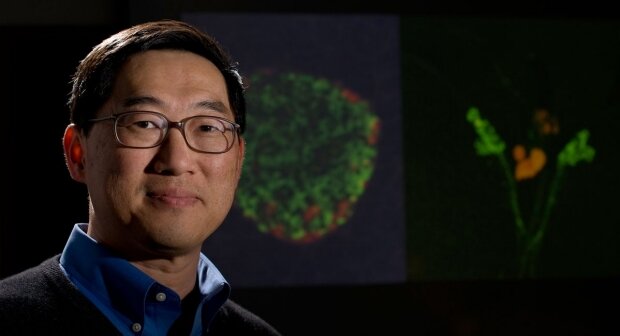
Seung Kim has been elected to the Association of American Physicians
Congratulation to Seung Kim. He has been elected to the Association of American Physicians.
Congratulation to Seung Kim. Professor Seung Kim has been elected to the Association of American Physicians.
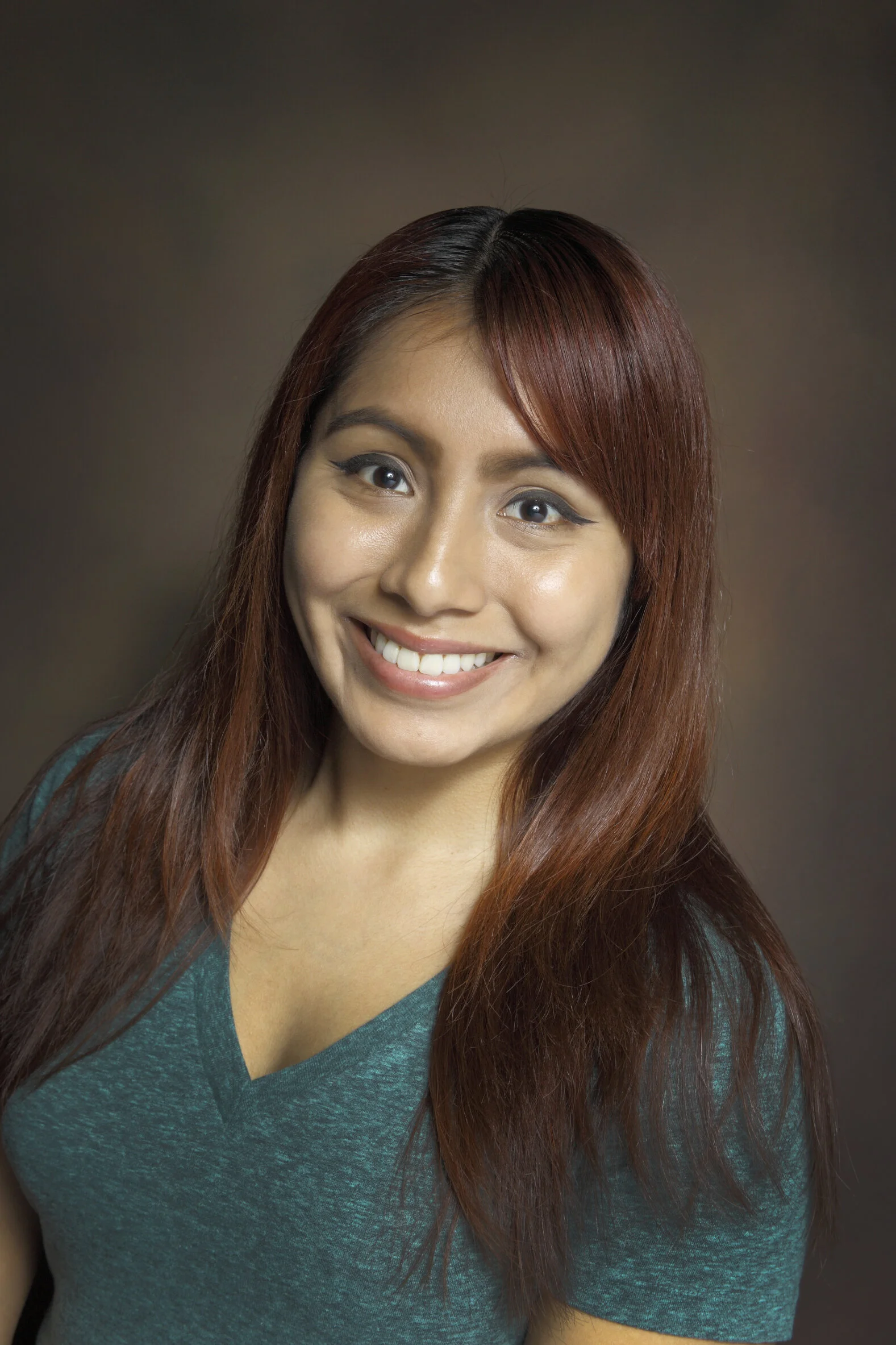
Leslie Mateo defended her thesis titled "Applying super-resolution microscopy to investigate the regulatory structure of the genome"
Leslie Mateo in Alistair Boettiger’s lab successfully defended her thesis titled "Applying super-resolution microscopy to investigate the regulatory structure of the genome” on January 18, 2021.
Leslie Mateo in Alistair Boettiger’s lab successfully defended her thesis titled "Applying super-resolution microscopy to investigate the regulatory structure of the genome” on January 18, 2021.
Ian Heller defended his thesis titled "Responding to signals in the wound: insight from a mammalian Bmp5 injury element in zebrafish regeneration models"
Ian Heller in David Kingsley’s lab successfully defended his thesis titled “Responding to signals in the wound: insight from a mammalian Bmp5 injury element in zebrafish regeneration models” on December 9, 2020.
Ian Heller in David Kingsley’s lab successfully defended his thesis titled “Responding to signals in the wound: insight from a mammalian Bmp5 injury element in zebrafish regeneration models” on December 9, 2020.
Garrett Roberts Kingman defended his thesis titled "The genetic basis of parallel and divergent evolution in threespine stickleback"
Garrett Roberts Kingman in David Kingsley’s lab successfully defended his thesis titled "The genetic basis of parallel and divergent evolution in threespine stickleback” on November 18, 2020.
Garrett Roberts Kingman in David Kingsley’s lab successfully defended his thesis titled "The genetic basis of parallel and divergent evolution in threespine stickleback” on November 18, 2020.
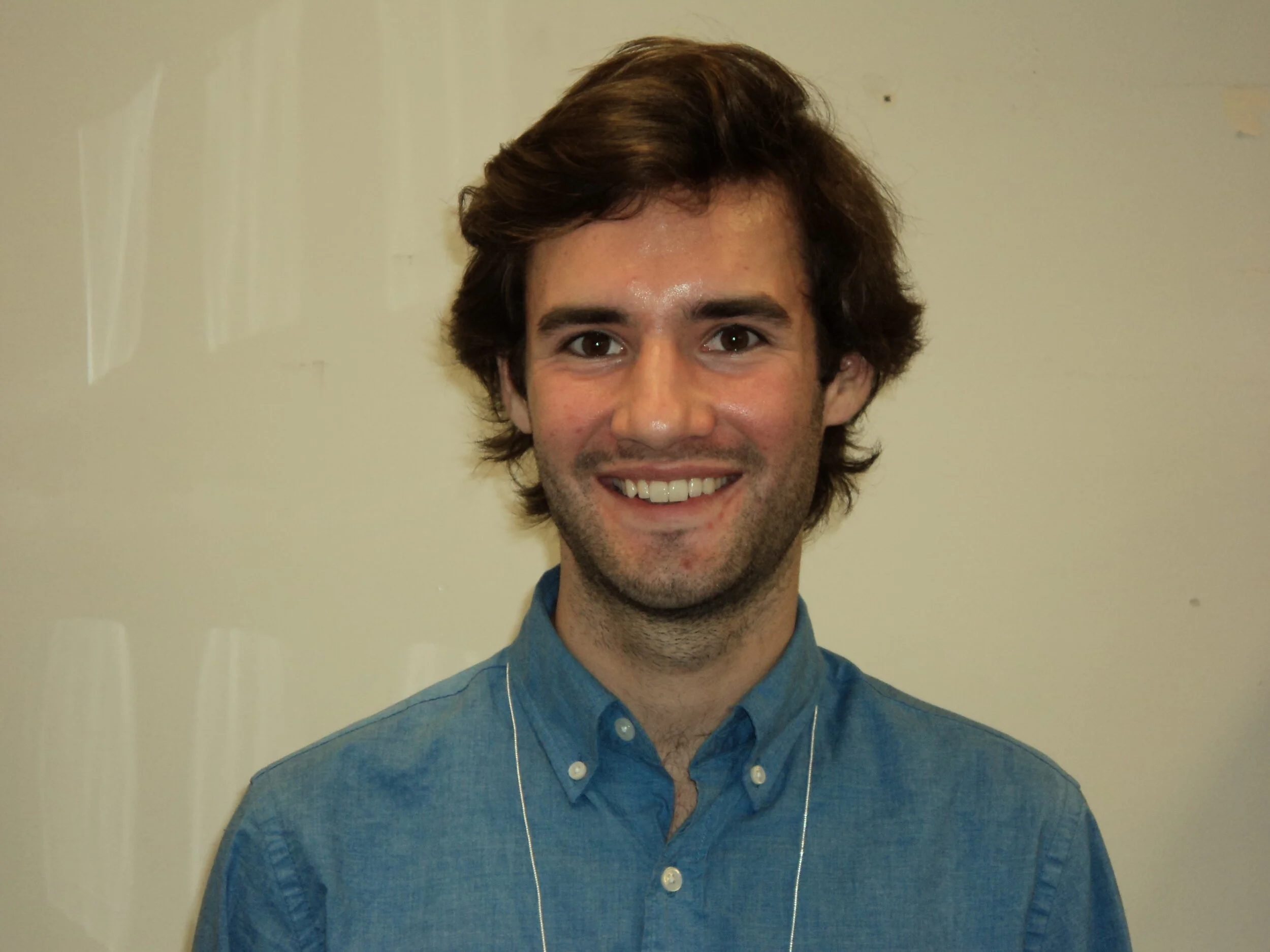
Samuel Kimmey defended his thesis titled "Mapping Single Cell Protein & Biosynthesis Dynamics Across Human Embryonic & Adult Specification"
Samuel Kimmey defended his thesis titled "Mapping Single Cell Protein & Biosynthesis Dynamics Across Human Embryonic & Adult Specification” on November 12, 2020.
Samuel Kimmey defended his thesis titled "Mapping Single Cell Protein & Biosynthesis Dynamics Across Human Embryonic & Adult Specification” on November 12, 2020.
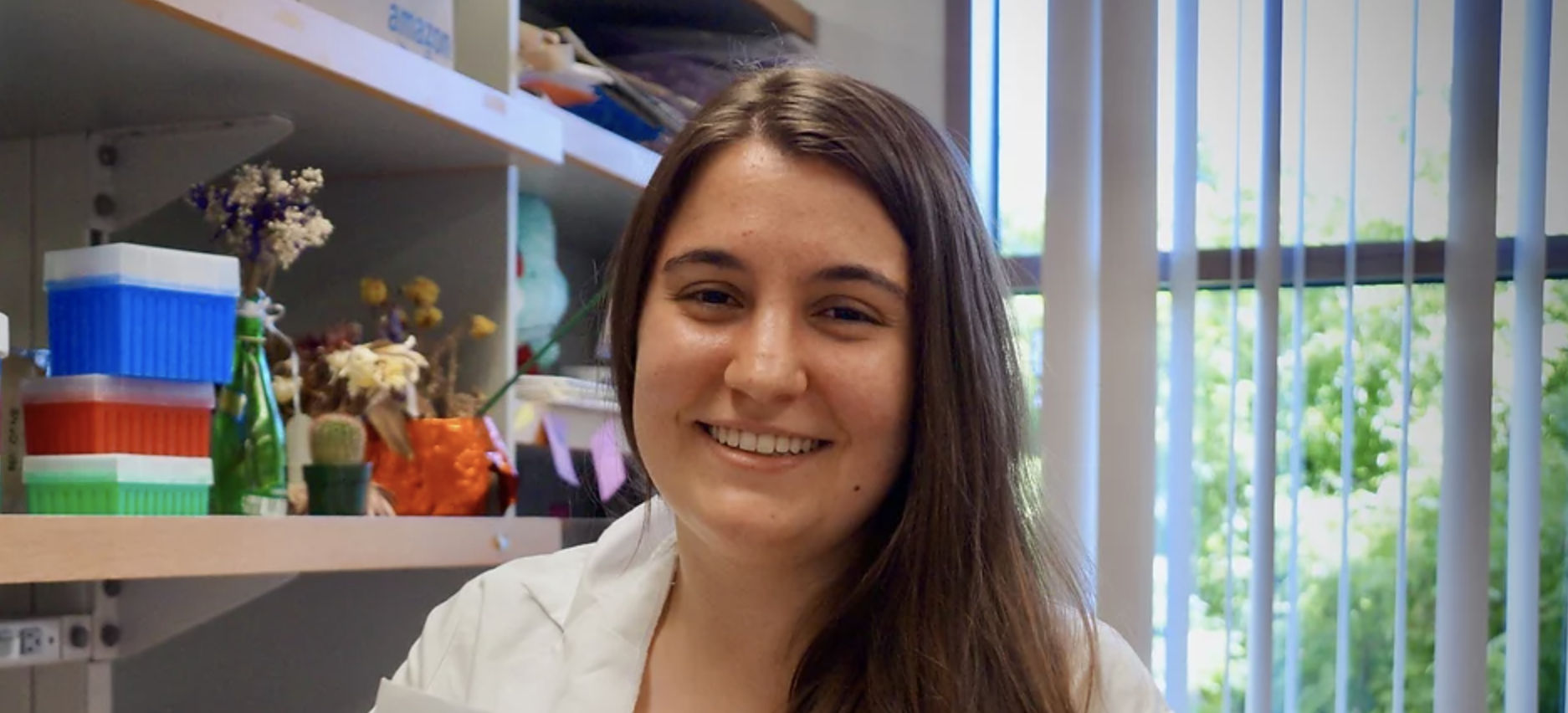
Amanda Papakyrikos defended her thesis titled "Investigating the function of a mitochondrial phosphatase, PTPMT1, in Drosophila melanogaster"
Amanda Papakyrikos defended her thesis titled "Investigating the function of a mitochondrial phosphatase, PTPMT1, in Drosophila melanogaster” on August 12, 2020.
Amanda Papakyrikos defended her thesis titled "Investigating the function of a mitochondrial phosphatase, PTPMT1, in Drosophila melanogaster” on August 12, 2020.
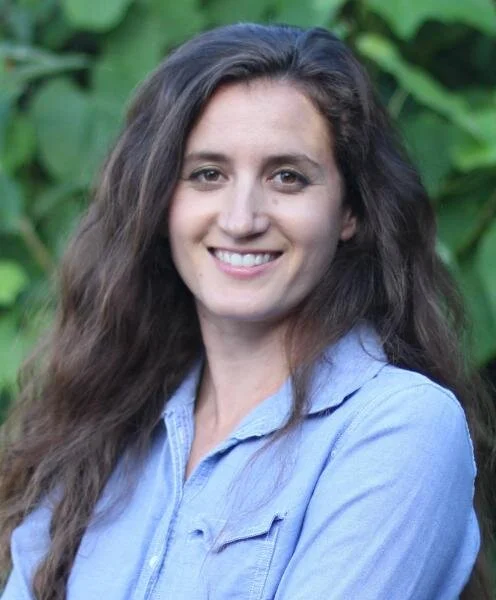
Wendy Wenderski has received the NIH Blueprint Diversity Specialized Predoctoral to Postdoctoral Advancement in Neuroscience (D-SPAN) Award.
Wendy Wenderski, a DBIO graduate student in Dr. Gerald Crabtree Lab, has received the NIH Blueprint Diversity Specialized Predoctoral to Postdoctoral Advancement in Neuroscience (D-SPAN) Award.
Wendy Wenderski, a DBIO graduate student in Dr. Gerald Crabtree Lab, has received the NIH Blueprint Diversity Specialized Predoctoral to Postdoctoral Advancement in Neuroscience (D-SPAN) Award. Please see the Twitter announcement https://twitter.com/NINDSDiversity/status/1282714841384247313
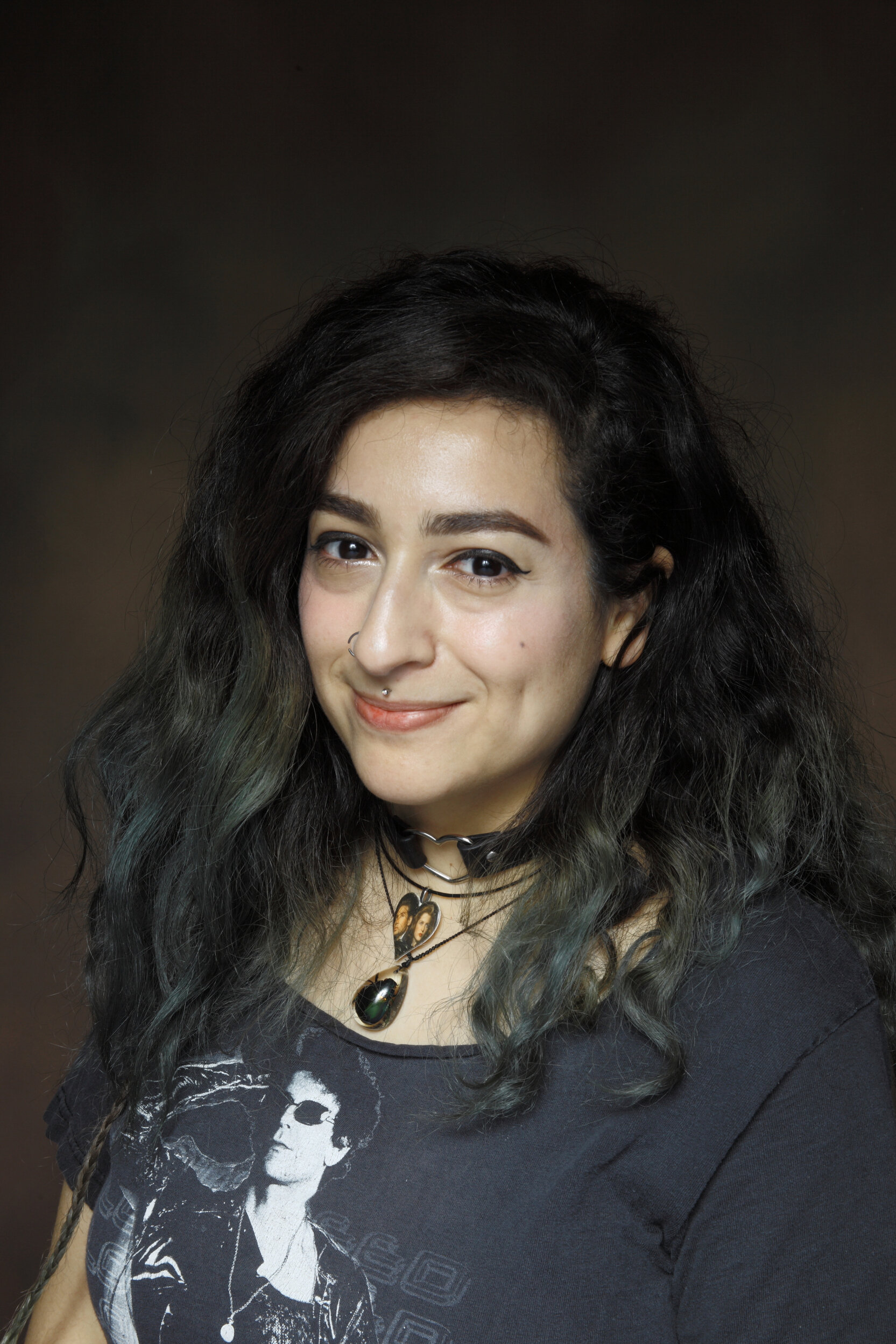
Krissie Tellez defended her thesis titled "Gluca-gone: Studies of glucagon secretion by human islets and alpha-like cells transplanted in a novel glucagon-null mouse"
On July 6, Krissie Tellez defended her thesis titled "Gluca-gone: Studies of glucagon secretion by human islets and alpha-like cells transplanted in a novel glucagon-null mouse".
On July 6, Krissie Tellez defended her thesis titled "Gluca-gone: Studies of glucagon secretion by human islets and alpha-like cells transplanted in a novel glucagon-null mouse".