
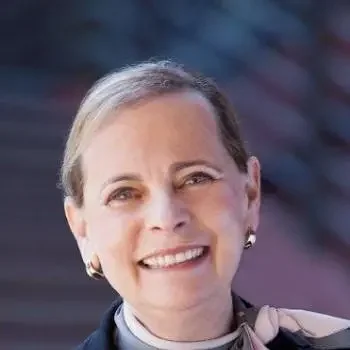
Lucy Shapiro receives the 2025 Lasker-Koshland Special Achievement Award
Emeritus professor Lucy Shapiro is the 18th recipient of the Lasker-Koshland Special Achievement Award, often called the American Nobel.
Emeritus professor Lucy Shapiro is the 18th recipient of the Lasker-Koshland Special Achievement Award, often called the American Nobel.
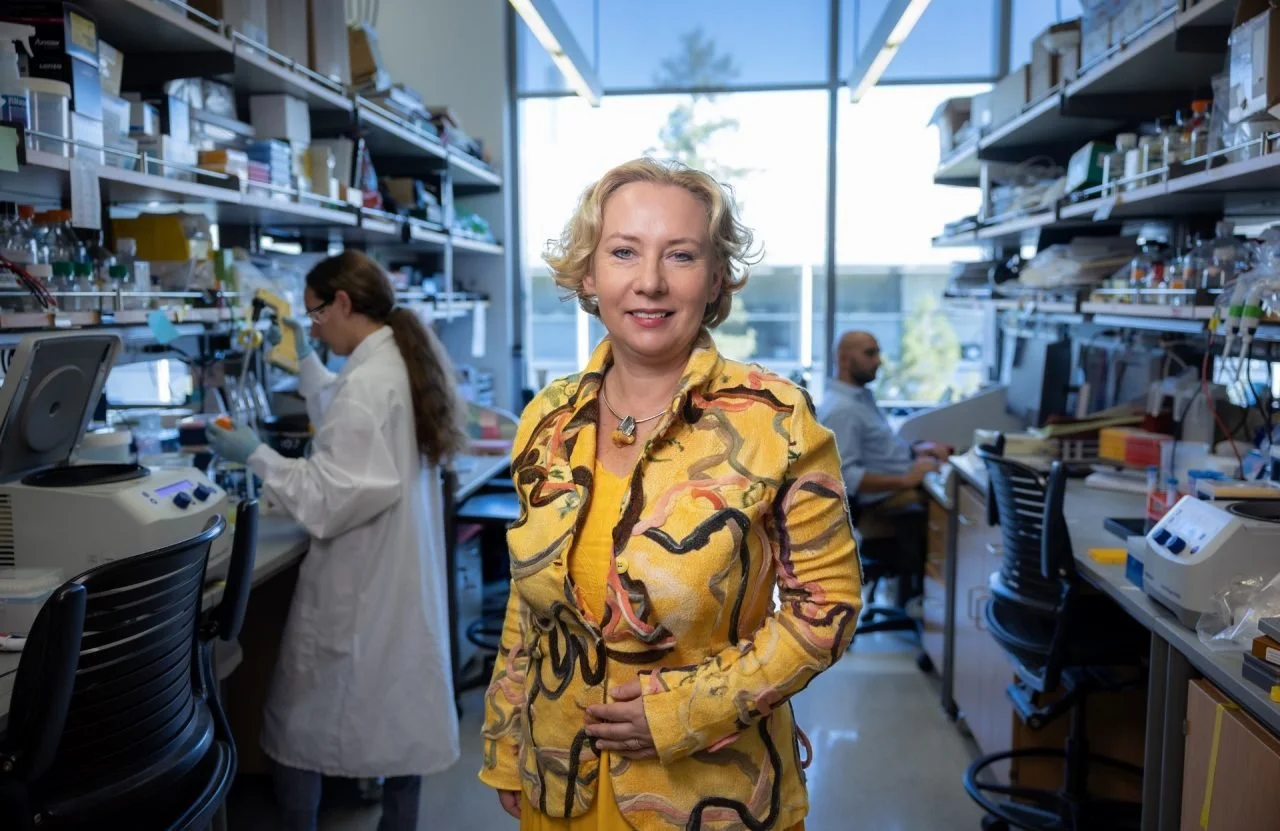
Behind the Science: How a ‘speech gene’ could help treat Huntington’s
Stanford Medicine researchers found cells that keep a speech-linked protein called FOXP2 from clumping; its tricks could break apart clumps of proteins that cause devastating brain diseases.
Stanford Medicine researchers found cells that keep a speech-linked protein called FOXP2 from clumping; its tricks could break apart clumps of proteins that cause devastating brain diseases.
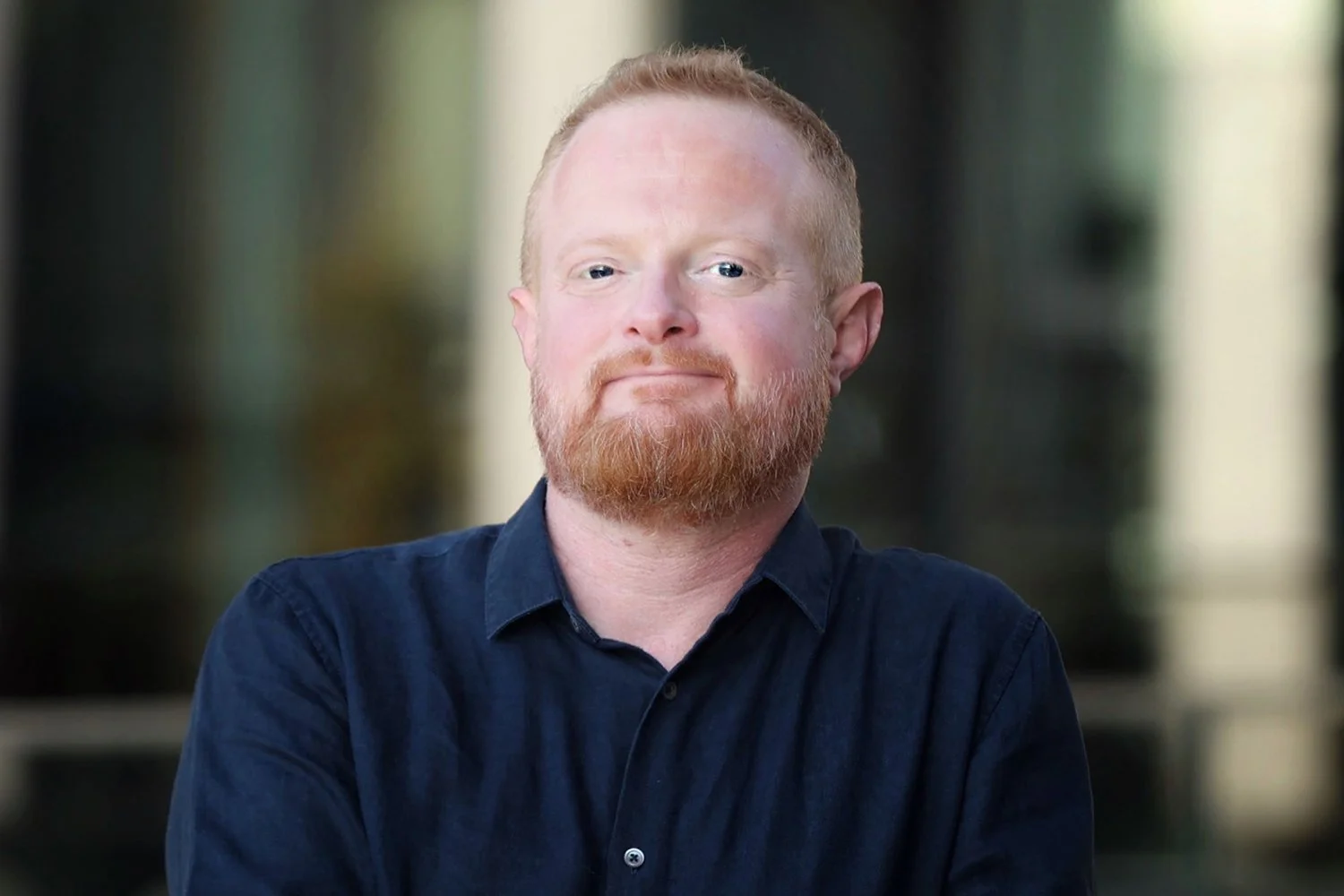
Dan Jarosz becomes first senior associate dean for basic science
Jarosz is the inaugural appointment to the newly created position, which will support basic science faculty throughout the Stanford School of Medicine.
Jarosz is the inaugural appointment to the newly created position, which will support basic science faculty throughout the Stanford School of Medicine.
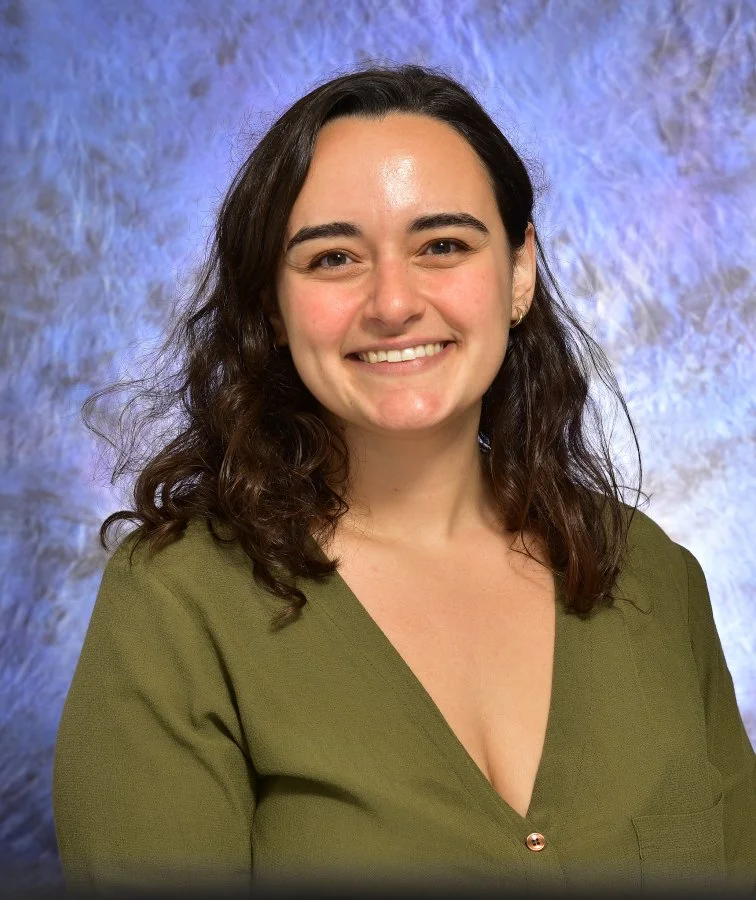
Naz Koska in Joanna Wysocka’s lab successfully defended her thesis on September 22, 2025
Naz Koska in Joanna Wysocka’s lab successfully defended her thesis titled "Understanding Determinants of Promoter Competition" on September 22, 2025.
Naz Koska in Joanna Wysocka’s lab successfully defended her thesis titled "Understanding Determinants of Promoter Competition" on September 22, 2025.
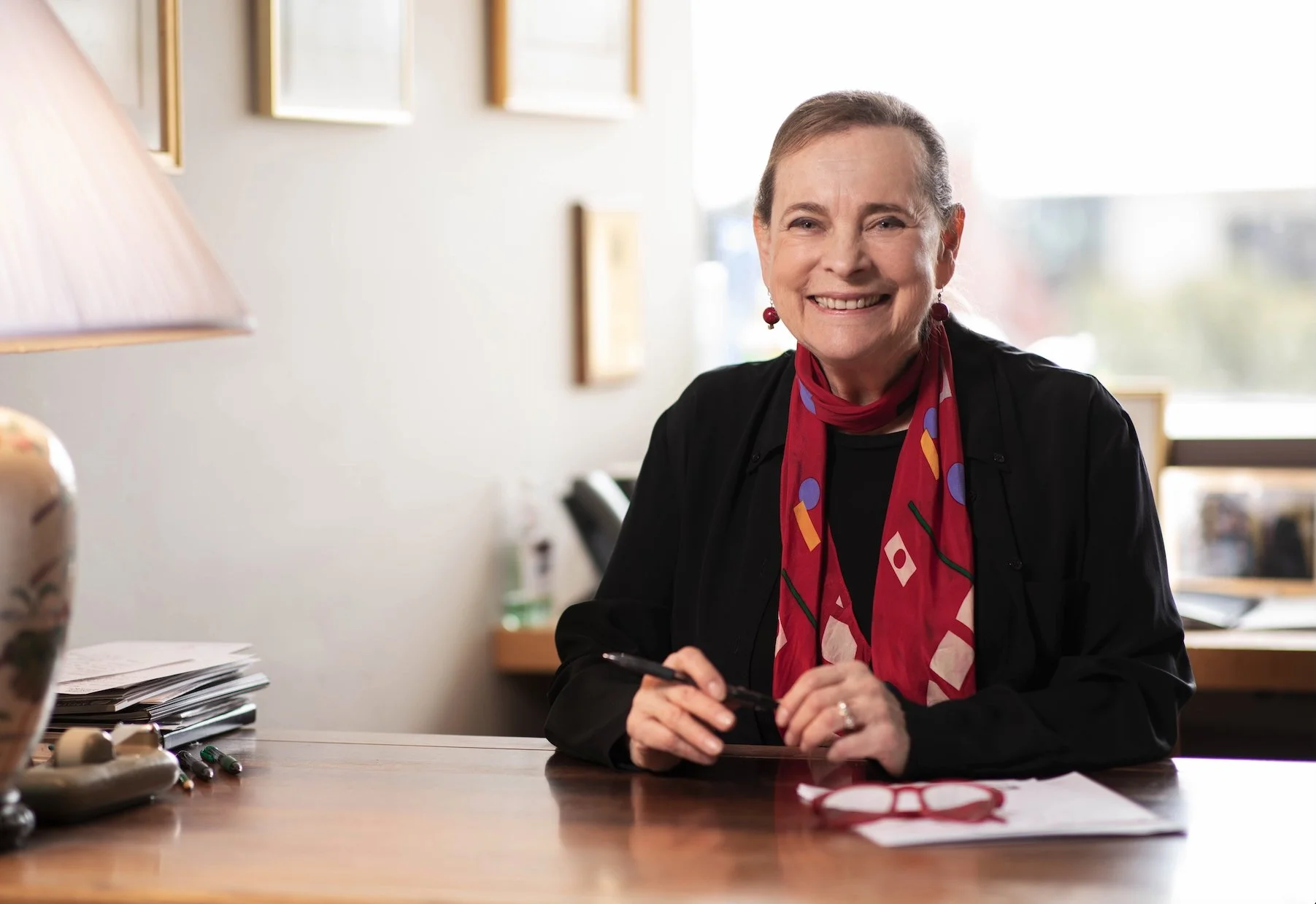
Lucy Shapiro to receive Lasker-Koshland Special Achievement in Medical Science Award
Lucy Shapiro entered biology “like a bolt of lightning.” A groundbreaking scientist, mentor, drug developer and advocate for science communication is recognized for a lifetime of achievements.
Lucy Shapiro entered biology “like a bolt of lightning.” A groundbreaking scientist, mentor, drug developer and advocate for science communication is recognized for a lifetime of achievements.
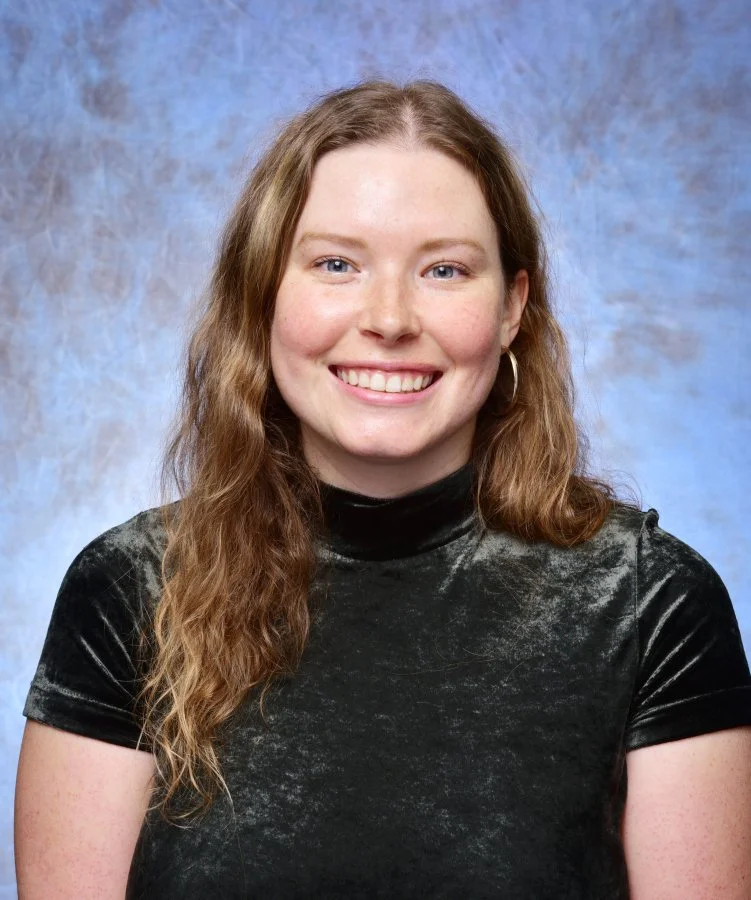
Liesl Strand in Anne Villeneuve’s lab successfully defended her thesis on June 12, 2025
Liesl Strand in Anne Villeneuve’s lab successfully defended her thesis titled "Mechanisms of chromosome inheritance in rhabditid nematodes" on June 12, 2025.
Liesl Strand in Anne Villeneuve’s lab successfully defended her thesis titled "Mechanisms of chromosome inheritance in rhabditid nematodes" on June 12, 2025.
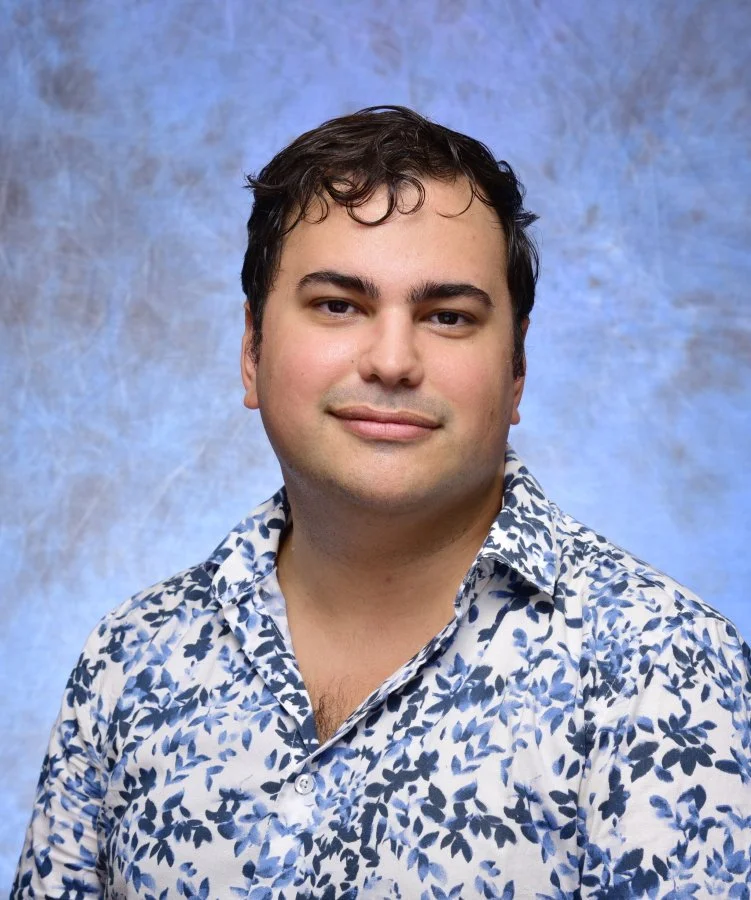
Gabriel Amador in Dominique Bergmann's lab successfully defended his thesis on May 19, 2025
Gabriel Amador in Dominique Bergmann's lab successfully defended his thesis titled "Control of proliferation and patterning in the plant stomatal lineage" on May 19, 2025.
Gabriel Amador in Dominique Bergmann's lab successfully defended his thesis titled "Control of proliferation and patterning in the plant stomatal lineage" on May 19, 2025.
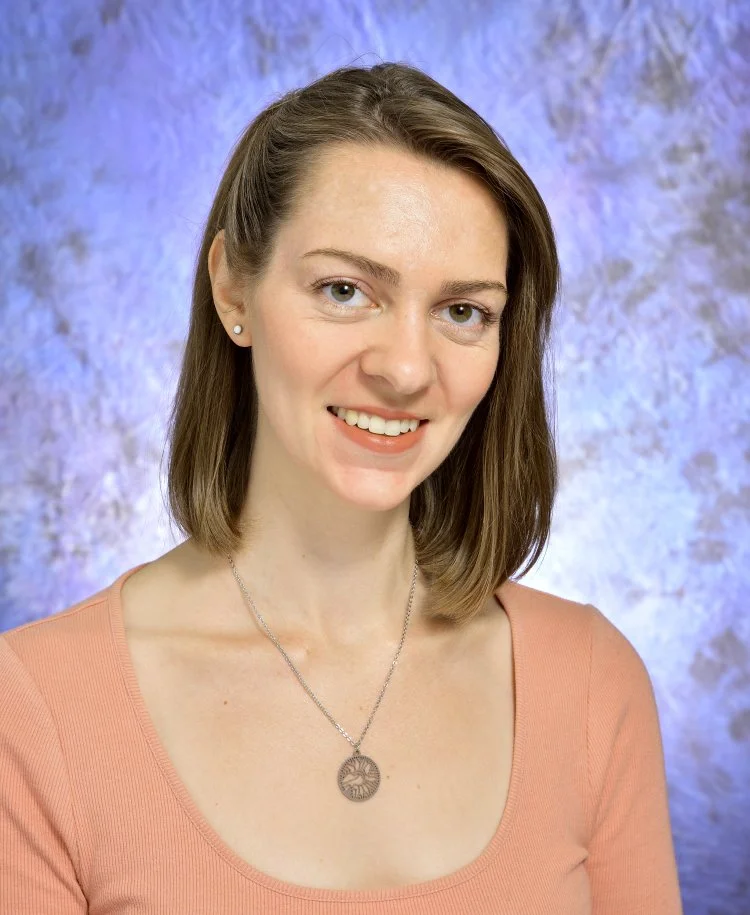
Veronica Behrens in David Kingsley's lab successfully defended her thesis on August 8, 2024
Veronica Behrens in David Kingsley's lab successfully defended her thesis titled "A stickleback approach to human evolutionary genetics" on August 8, 2024.
Veronica Behrens in David Kingsley's lab successfully defended her thesis titled "A stickleback approach to human evolutionary genetics" on August 8, 2024.
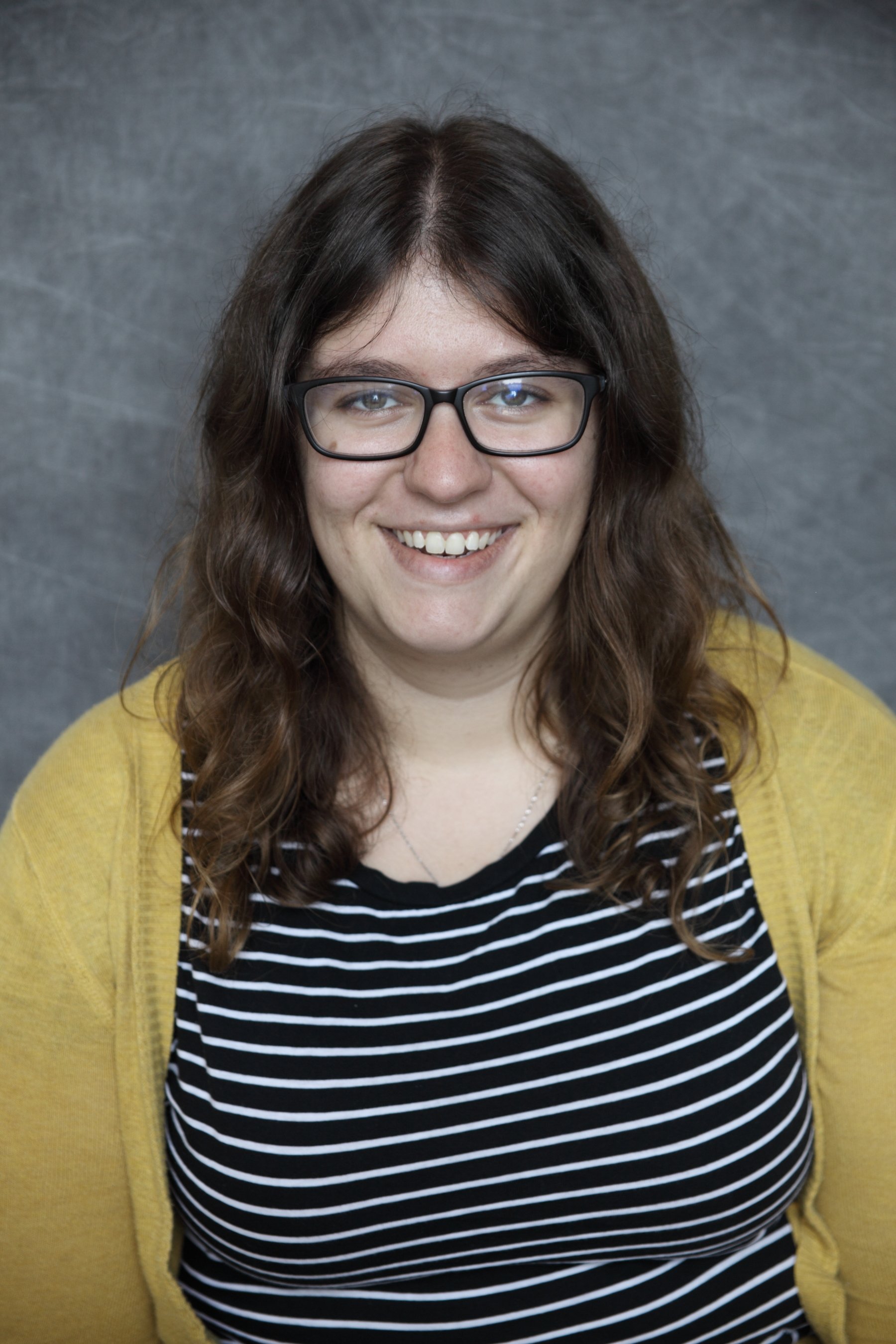
Hannah Rosenblatt in Maria Barna's lab successfully defended her thesis on July 12, 2024
Hannah Rosenblatt in Maria Barna's lab successfully defended her thesis titled "Redox Regulation of the Early Injury Response in Axolotls and Mice" on July 12, 2024.
Hannah Rosenblatt in Maria Barna's lab successfully defended her thesis titled "Redox Regulation of the Early Injury Response in Axolotls and Mice" on July 12, 2024.
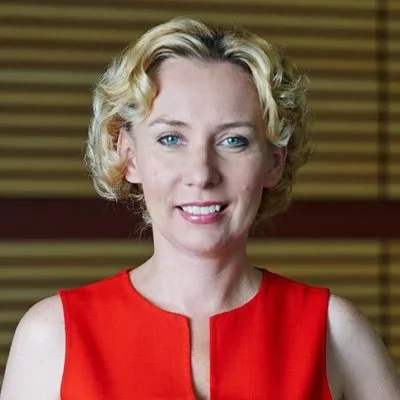
Joanna Wysocka Elected to National Academy of Sciences
Congratulations to Dr. Joanna Wysocka for her election to the National Academy of Sciences.
Congratulations to Dr. Joanna Wysocka for her election to the National Academy of Sciences.
Announcing the Dev Bio 2024/25 Incoming Grad Class
We are very excited to announce our Dev Bio 2024/25 Incoming Grad Class!
We are very excited to announce our Dev Bio 2024/25 Incoming Grad Class!

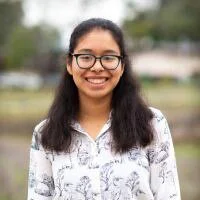
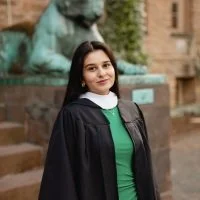
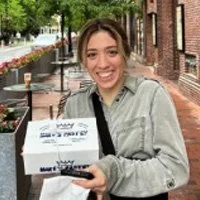
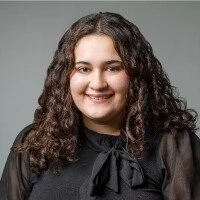
Peyton Dooley
Mariann Guzman-Espinoza
Zoya Gauhar
Christina Rouhotas
Rachel Wyetzner
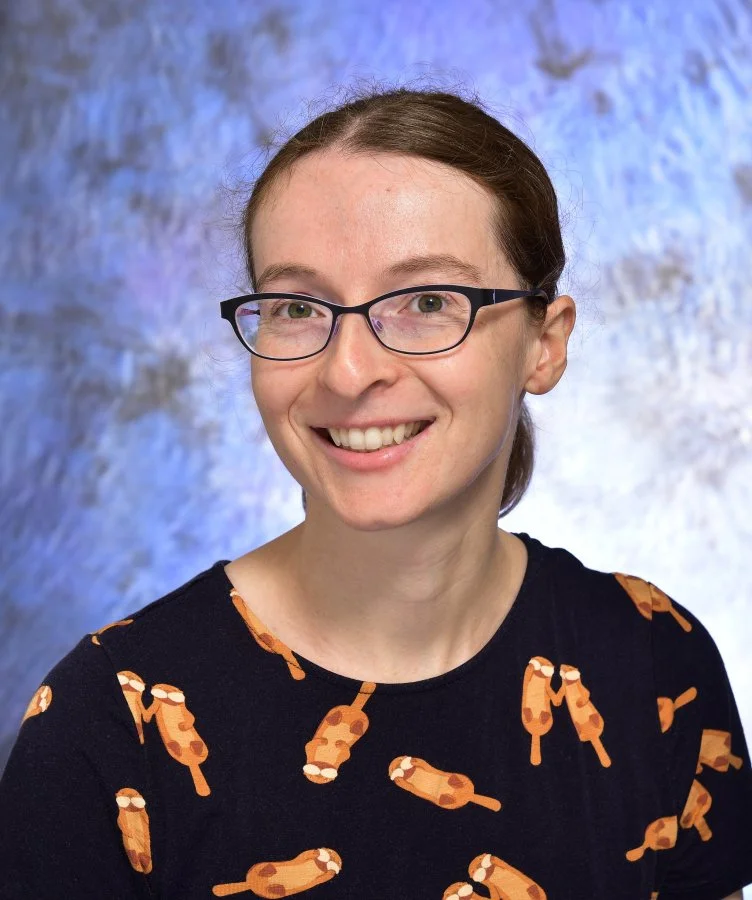
Devon Harris in Margaret Fuller's lab successfully defended her thesis on March 5, 2024
Devon Harris in Margaret Fuller's lab successfully defended her thesis titled "HOW to switch from mitosis to meiosis: The role of an RNA binding protein complex in the transition from proliferation to differentiation" on March 5, 2024.
Devon Harris in Margaret Fuller's lab successfully defended her thesis titled "HOW to switch from mitosis to meiosis: The role of an RNA binding protein complex in the transition from proliferation to differentiation" on March 5, 2024.
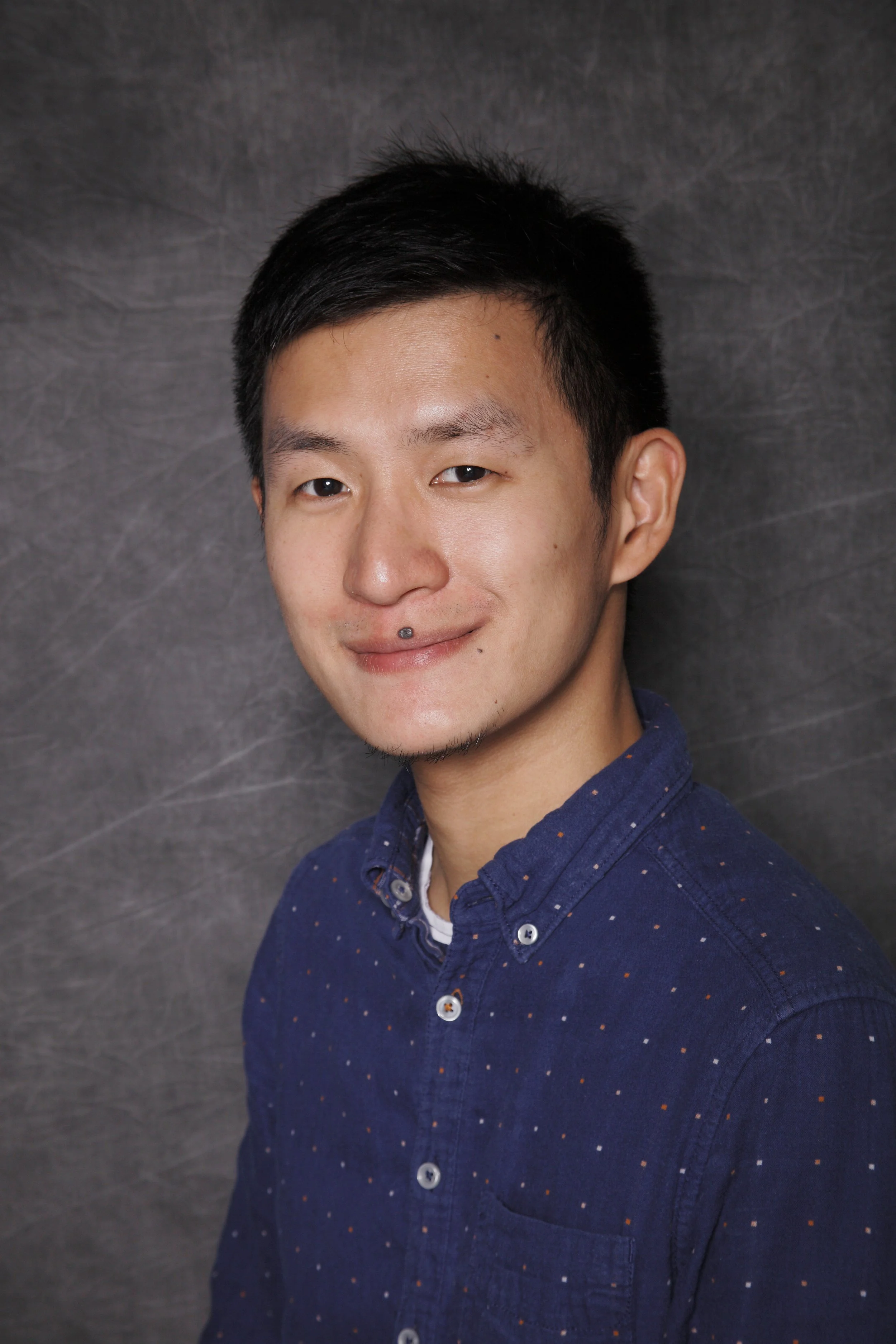
Tzu-Chiao Hung in David Kingsley's lab successfully defended her thesis titled "Boundary stacking enables cross-TAD enhancer-promoter interactions during limb development"
Tzu-Chiao Hung in David Kingsley's lab successfully defended her thesis titled "Boundary stacking enables cross-TAD enhancer-promoter interactions during limb development" on December 15, 2023.
Tzu-Chiao Hung in David Kingsley's lab successfully defended her thesis titled "Boundary stacking enables cross-TAD enhancer-promoter interactions during limb development" on December 15, 2023.
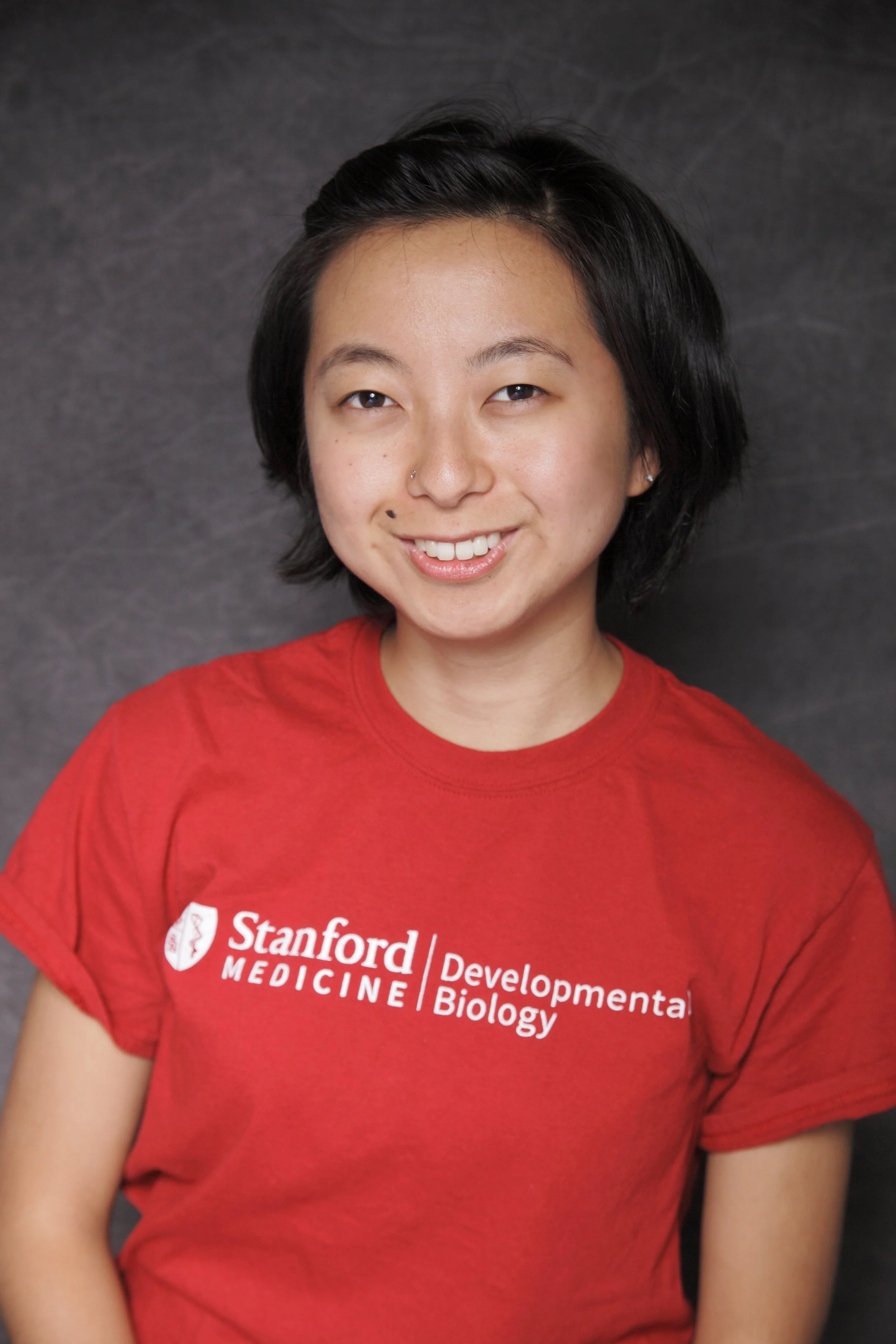
Kei Yamaya in Anne Villeneuve’s lab successfully defended her thesis titled "Homologous recombination during C. elegans meiosis: Regulation of chromosome organization and DNA repair machinery"
Kei Yamaya in Anne Villeneuve’s lab successfully defended her thesis titled “Homologous recombination during C. elegans meiosis: Regulation of chromosome organization and DNA repair machinery” on June 16, 2023.
Kei Yamaya in Anne Villeneuve’s lab successfully defended her thesis titled “Homologous recombination during C. elegans meiosis: Regulation of chromosome organization and DNA repair machinery” on June 16, 2023.
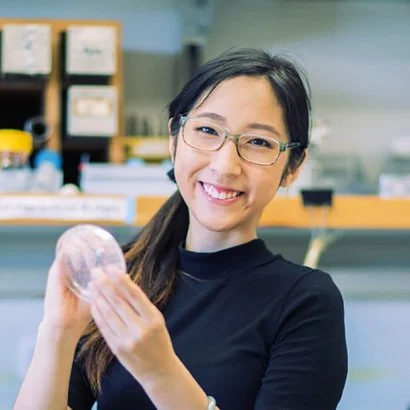
Trisha Chong in Lucy Shapiro’s lab successfully defended her thesis titled "Timing the process of cell differentiation during the Caulobacter cell cycle"
Trisha Chong in Lucy Shapiro’s lab successfully defended her thesis titled “Timing the process of cell differentiation during the Caulobacter cell cycle” on June 12, 2023.
Trisha Chong in Lucy Shapiro’s lab successfully defended her thesis titled “Timing the process of cell differentiation during the Caulobacter cell cycle” on June 12, 2023.
Student Award for Excellence in Societal Citizenship: Sarah Stern
Sarah Stern, Developmental Biology
This award recognizes students who make exemplary contributions towards promoting social justice, diversity and inclusion, meaningful participation in civic life, and/or awareness of societal issues that impact our communities.
Sarah Stern, Developmental Biology
This award recognizes students who make exemplary contributions towards promoting social justice, diversity and inclusion, meaningful participation in civic life, and/or awareness of societal issues that impact our communities.
Awards for Excellence in Diversity and Inclusion: Anne Villeneuve
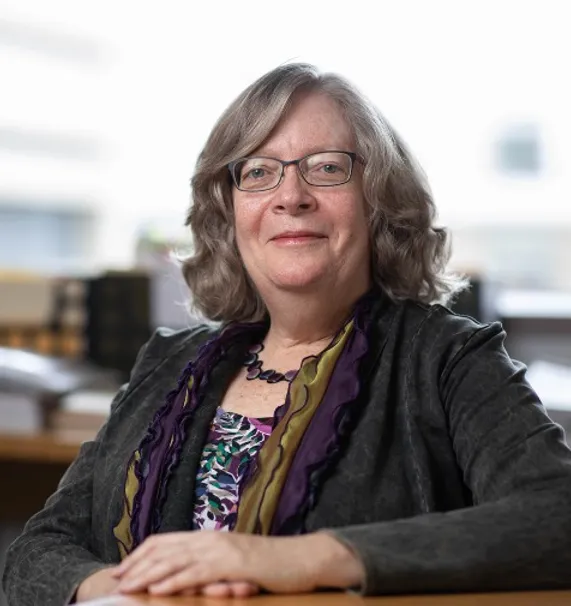
Anne Villeneuve, Berthold and Belle N. Guggenhime Professor and Professor of Developmental Biology and of Genetics
This award recognized faculty and academic staff who make distinguished contributions towards enhancing diversity, equity and inclusion across Stanford School of Medicine and Biosciences.
Anne Villeneuve, Berthold and Belle N. Guggenhime Professor and Professor of Developmental Biology and of Genetics
This award recognized faculty and academic staff who make distinguished contributions towards enhancing diversity, equity and inclusion across Stanford School of Medicine and Biosciences.
Community College Outreach Program (CCOP)
The CCOP, established by the Department of Developmental Biology, offers scientific mentorship and provides a first-rate research opportunity to underrepresented and underserved community college students, shifting perspectives on who can be a scientist, said CCOP Director Megan Agajanian.
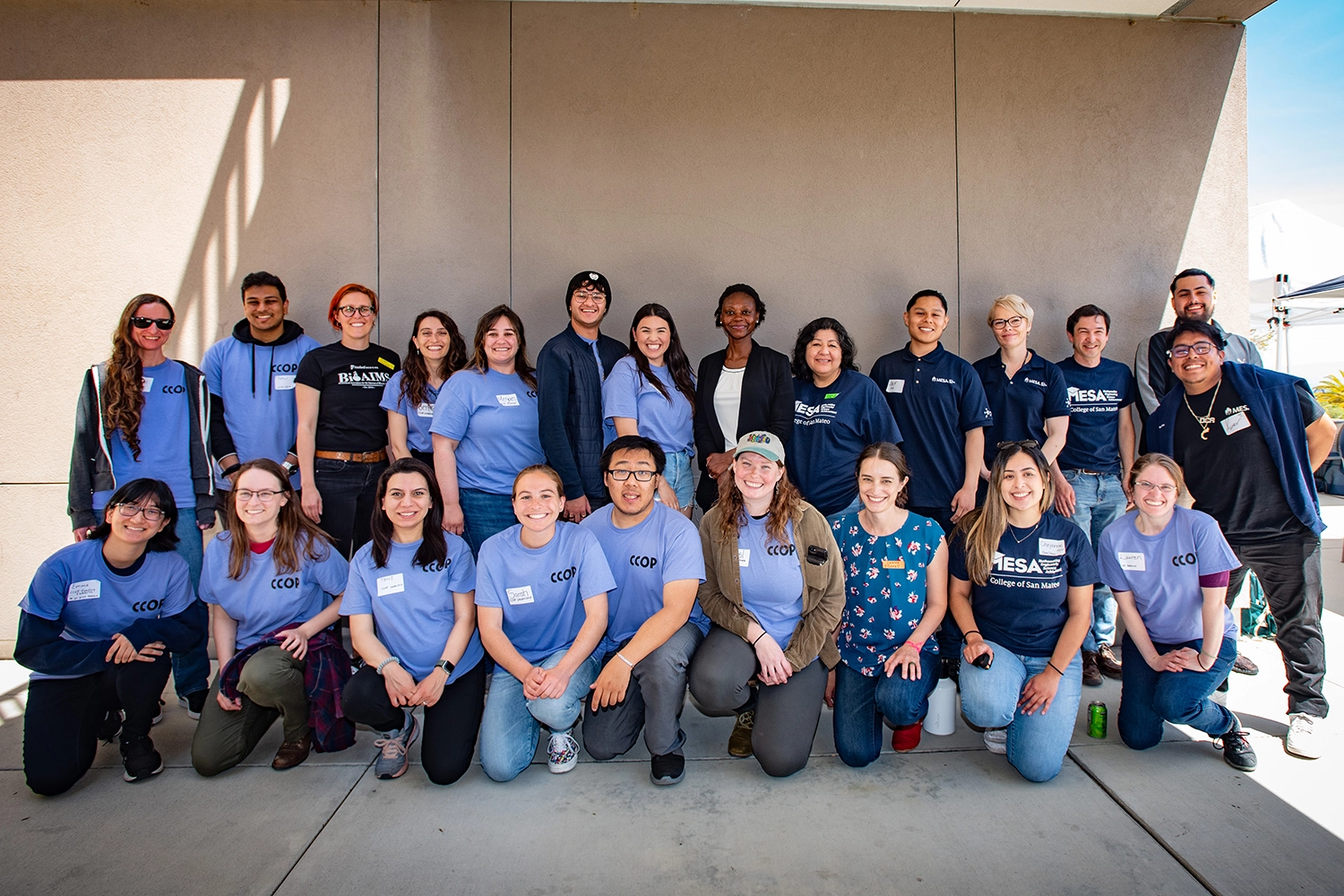
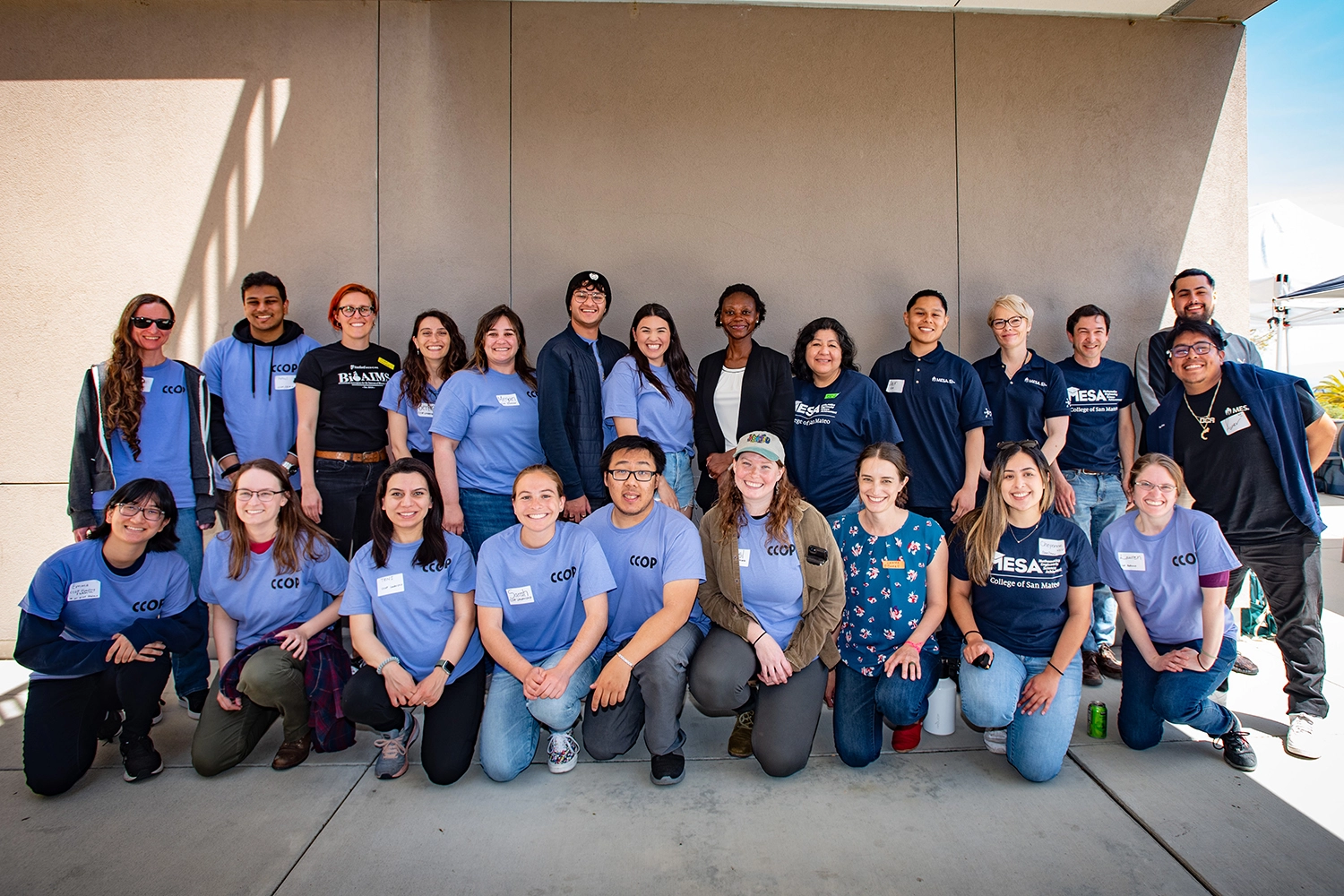
The Community College Outreach Program leadership team and College of San Mateo MESA Program team at CCOP’s inaugural Day of Science Symposium held on the campus of College of San Mateo. (Image credit: College of San Mateo)
The CCOP, established by the Department of Developmental Biology, offers scientific mentorship and provides a first-rate research opportunity to underrepresented and underserved community college students, shifting perspectives on who can be a scientist, said CCOP Director Megan Agajanian.
It was founded in 2020 as a grassroots effort by developmental biology PhD students Teni Anbarchian and Wendy Wenderski, who both attended community college and wanted to support others.
“Our leadership team of Stanford trainees put in a tremendous amount of effort. We are grateful to those who have helped CCOP grow,” Agajanian said. “It is wonderful to see our work impact young scientists and be recognized by the faculty that nominated us, the selection committee, and Stanford leadership.
“We hope this recognition opens doors for similar outreach work, by spotlighting the need for and impact of our program in our scientific community. We hope to inspire members of the Stanford community to join us in our mission of making academia a more diverse, equitable, and inclusive space.”
The CCOP has directly impacted more than 150 community college students in San Mateo and Santa Clara counties and facilitated around 5,000 mentorship or service hours to community college students in STEM fields. One mentee thanked the CCOP “for giving me a chance to succeed and find my place in science.”
The CCOP has “enriched and diversified our Stanford community, strengthened our links to nearby community colleges, and most importantly, provided pathways for community college interns to learn about, and remain in, STEM careers,” said one nominator.
The program currently partners with the College of San Mateo, Cañada College, and Santa Clara’s Mission College to share opportunities, understand students’ needs, collaboratively build programs, and provide STEM research training.
In the program, community college students participate in a paid 10-week research internship at Stanford each quarter. The students are paired with a Stanford graduate student or postdoc, and a faculty advisor; read scientific literature; perform lab experiments; and prepare presentations.
CCOP’s 6-week career development boot camp includes mentorship from Stanford scientists and weekly workshops on how to apply to internships and scholarships and to transfer to a four-year university.
Participant surveys indicate an increased interest in science, confidence in abilities, inclination to pursue further education or careers in STEM, sense of belonging in the field, and likelihood of continuing research.
“We have seen incredible outcomes from mentees, and from Stanford trainees and labs that have seen immediate improvement on thoughts and actions around diversity, equity, and inclusion,” Agajanian said. “Our hope for the future is that CCOP becomes established within Stanford’s infrastructure, and we welcome all collaborations across Stanford to expand the impact of CCOP.”
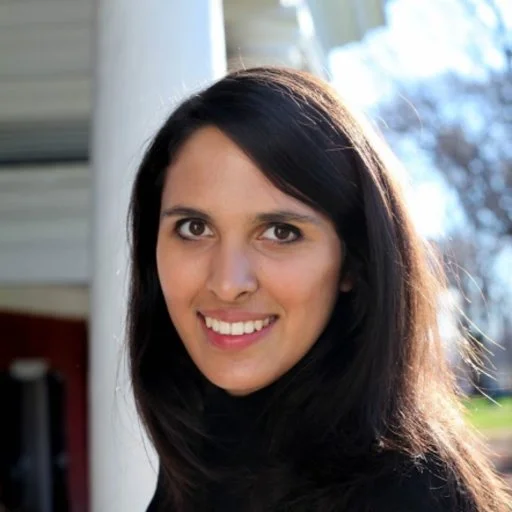
Ellen Bouchard in William Talbot's lab successfully defended her thesis titled “Myelination in the Central Nervous System is Fine-Tuned by an Antagonistic Interaction between Lysosomal Regulators”
Ellen Bouchard in William Talbot’s lab successfully defended her thesis titled “Myelination in the Central Nervous System is Fine-Tuned by an Antagonistic Interaction between Lysosomal Regulators” on May 5, 2023.
Elle Bouchard in William Talbot’s lab successfully defended her thesis titled “Myelination in the Central Nervous System is Fine-Tuned by an Antagonistic Interaction between Lysosomal Regulators” on May 5, 2023.
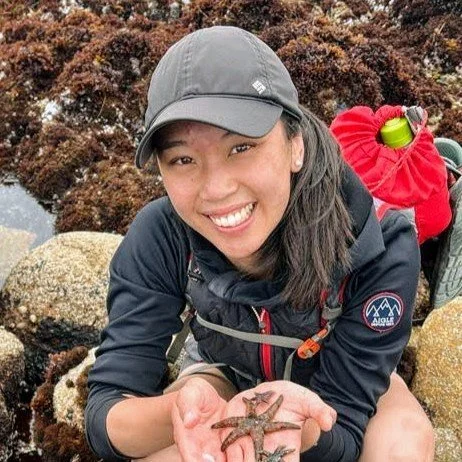
Heidi Chen in Gill Bejerano & David Kingsley's lab successfully defended her thesis titled “Whole-genome comparisons identify enhancers underlying repeated fin evolution in diverse fishes”
Heidi Chen in Gill Bejerano & David Kingsley's lab successfully defended her thesis titled “Whole-genome comparisons identify enhancers underlying repeated fin evolution in diverse fishes”.
Heidi Chen in Gill Bejerano & David Kingsley’s lab successfully defended her thesis titled “Whole-genome comparisons identify enhancers underlying repeated fin evolution in diverse fishes” on January 12, 2023.